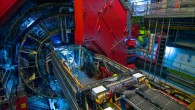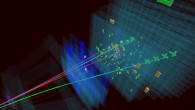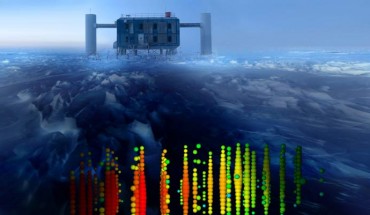
Physicists using the IceCube Neutrino Observatory – a cubic-kilometer-sized detector sunk into the ice sheet at the South Pole – have announced a new observation of high-energy neutrinos that originated beyond the Solar System, and beyond our Milky Way Galaxy. The first evidence for astrophysical neutrinos was announced by the team in November 2013. The results published this week in the journal Physical Review Letters are the first independent...