In a study on crab-eating macaques (Macaca fascicularis), a team of researchers at Wake Forest University found that the primates on a humanlike Mediterranean...
Sleeping in a few extra hours on the weekends might not be enough to combat the self-incurred damage from weekday sleep deprivation. According to a study...
In a study published in the Journal of Nutritional Biochemistry, mice fed a diet of 2% green tea extract fared far better than those that ate a diet without...
Abdominal (belly) fat is harmful to metabolic health. Exercise training reduces abdominal fat mass, but the underlying mechanisms have not been clear....
An international team of researchers led by University of Wisconsin-Madison scientists has developed an easily implantable weight-loss device. In lab experiments,...
A new study published in the British Journal of Nutrition has found that consuming 30 grams of whole-food protein (cottage cheese) about 30 min before...
Losing just one night of sleep can have a tissue-specific impact on the regulation of gene expression and metabolism, according to new study. The findings,...
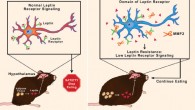
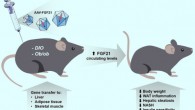
Obesity is associated with increased blood concentrations of the anorexigenic hormone leptin; however, obese individuals are resistant to its anorexigenic...
A new study led by SUNY University at Buffalo researcher Leah Panek-Shirley found that after drinking a small amount of caffeine, participants consumed...
A team of researchers from the Autonomous University of Barcelona, CIBERDEM and the Spanish National Cancer Research Centre has demonstrated that a single...
Living a healthy lifestyle — eating a healthy diet, exercising regularly, keeping a healthy body weight, not drinking too much alcohol, and not smoking...
Eating just 1.5 ounces (42.5 grams) of pecans every day may protect adults at risk for developing cardiovascular disease and type 2 diabetes, according...
According to a study in mice published in the Journal of Neuroscience, reduced ability to maintain body temperature in colder environments may contribute...
A team of scientists at Lund University in Sweden has found that certain amino acids in our blood can be connected to both obesity and the composition...
Slowing down the speed at which you eat, along with cutting out after dinner snacks and not eating within two hours of going to sleep may all help prevent...
Consumption of fermentable fiber can prevent obesity, metabolic syndrome and adverse changes in the intestine by promoting growth of ‘good’ bacteria...
A specific group of amino acids called branched-chain amino acids (BCAAs) is elevated in the blood of obese, insulin-resistant humans and rodents. A new...
According to a systematic review of recent cohort studies and randomized controlled trials, published in the journal Obesity Facts, consumption of sugar-sweetened...