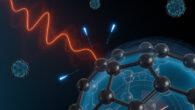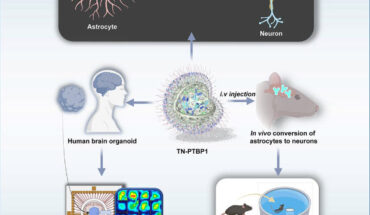
Researchers at the University of South Carolina have developed a nanoparticle-based treatment that appears to improve performance on standard memory and learning tests as well as reduce brain inflammation and levels of amyloid-beta in mice with Alzheimer’s disease by converting star-shaped brain cells called astrocytes into functioning neurons. Alzheimer’s disease remains irreversible largely because the adult brain cannot replace lost neurons;...
Materials Science News