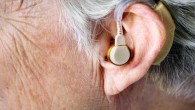
A multinational team of scientists has performed a genome-wide association meta-analysis of clinically diagnosed and self-reported hearing impairment on...
Humans and other animals learn to extract general concepts from sensory experience without extensive teaching. This ability is thought to be facilitated...
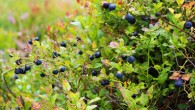
Blueberry supplementation has neurocognitive benefit in middle-aged individuals with insulin resistance and elevated risk for future dementia, according...
New research highlights the important role of nutrition for the treatment of depression and should inform advice given by clinicians to young men.
Young...
A new study published in the journal Alzheimer’s and Dementia: Translational Research and Clinical Interventions has demonstrated that 12 months of treatment...
A research team led by University of California, Los Angeles scientists has created a single-cell transcriptome map of human hematopoietic tissues from...
NBP14, a new drug candidate from Neuro-Bio Ltd., effectively treats the signs of neurodegeneration in a mouse model of Alzheimer’s disease, according...
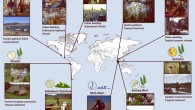
The conventional theory about the origin of the state is that the adoption of farming increased land productivity, which led to the production of food...
Humans share sensory systems with a common anatomical blueprint, but individual sensory experience nevertheless varies. In olfaction, it is not known to...
Researchers from the Perelman School of Medicine at the University of Pennsylvania have identified a distinct secretory cell lineage deep within human...
Twenty years after scientists from the Human Genome Project produced the first draft human genome sequence, the Telomere to Telomere (T2T) Consortium has...
New research provides evidence that the four traits (i.e., mental energy and fatigue, physical energy and fatigue) may have unique yet overlapping gut...
In a new cohort study, published in the journal Alzheimer’s & Dementia, participants tended to nap longer and more frequently with aging; most importantly,...
Queensland Brain Institute’s Dr. Timothy Bredy and colleagues have discovered an experience-induced non-coding RNA, named ADRAM (activity-dependent lncRNA...
In a study involving 29,618 patients, prescription lithium use was associated with a lower risk of receiving a diagnosis of dementia and its subtypes,...
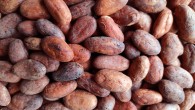
In the COcoa Supplement and Multivitamin Outcomes Study (COSMOS), a team of researchers led by Brigham and Women’s Hospital scientists examined whether...
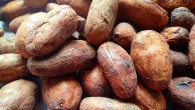
Cocoa is used in the sports world as a supplement, although there is no consensus on its use. In a new study, researchers from the Universidad Europea...
A team of scientists from Australia, Italy, Poland and Switzerland has examined the association between meat intake and life expectancy at a population...
Conventionally, intelligence is seen as a property of individuals. However, it is also known to be a property of collectives. Examples include collective-decision-making...
Researchers at RMIT University have used high frequency MHz-order mechanostimulation to trigger differentiation of human mesenchymal stem cells from various...