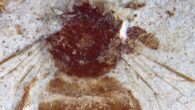
Paleontologists have announced the discovery of a new fossil honeybee species that fills a long-standing gap in the evolutionary record of the genus Apis.
Apis...
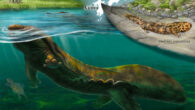
A new genus and species of cryptobranchid salamander that lived in lakes in Japan about 3.5 million years ago has been identified from three fossil vertebrae,...
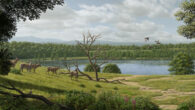
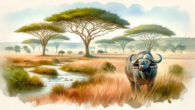
Near-complete bovine skeletons unearthed the Early Pliocene site of Camp dels Ninots in northeastern Spain reveal that the ancestors of today’s buffalo...
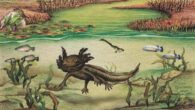
Paleontologists have identified a new species of the axolotl genus Ambystoma from several fossilized specimens found deep in the rocky outcrops of the...
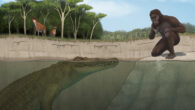
Paleontologists analyzing fossils from Ethiopia have described a previously unknown crocodile species that shared the landscape with a hominid species...
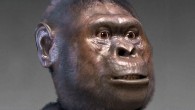
New research led by scientists from the University of Cambridge and Latrobe University challenges the classification of the Little Foot fossil as Australopithecus...
In 2009, paleoanthropologists found eight bones from the foot of an ancient human ancestor in 3.4-million-year-old sediments at the paleontological site...
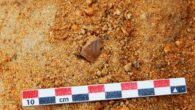
Archaeologists have discovered Oldowan stone tools in three distinct archaeological horizons, spanning approximately 300,000 years (2.75 to 2.44 million...
Researchers have discovered 6-million-year-old-ice and air in shallow ice cores drilled in the Allan Hills region of East Antarctica. They speculate that...
Paleontologists have found the fossilized remains of the extinct deer species Eocoileus gentryorum at the Early Pliocene Gray Fossil Site of northeastern...
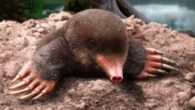
Paleontologists have identified a new genus and species of mole (family Talpidae) from a partial skeleton discovered at the Pliocene-aged site of Camp...
Paleontologists have found the 4.9-million-year-old (Early Pliocene) fossilized remains of the extinct flying squirrel Miopetaurista webbi in Tennessee,...
Paleontologists have described a new species of fossil comma shrimp based on a well-preserved specimen found in the Japanese prefecture of Shizuoka.
Makrokylindrus...
Paleontologists have found the fossilized bones from a new species of the parrot genus Agapornis at three localities of the UNESCO World Heritage site...
Paleontologists from Japan, Belgium and the United States have identified a new species of the extinct genus Ontocetus from a nearly complete pair of fossilized...
Parapontoporia, an extinct genus of long-snouted dolphins that lived off the Pacific coast of North America from the Late Miocene epoch until the Pliocene,...
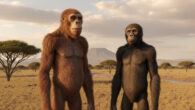
Eastern Africa preserves the most complete record of human evolution anywhere in the world but scientists have little knowledge of how long-term biogeographic...
Kromdraai is a Plio-Pleistocene site located in the Cradle of Humankind, South Africa. It has produced diverse and abundant faunal assemblages and key...
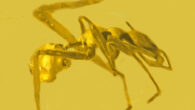
Myrmarachne colombiana is the first species of ant-mimicking spider ever found in copal (fossilized resin) from Colombia.
Myrmarachne colombiana. Image...