Fucoidans — compounds found in the cell walls of brown seaweed — could one day help treat diseases driven by oxidative stress, though the substances are far from the pharmacy shelf.
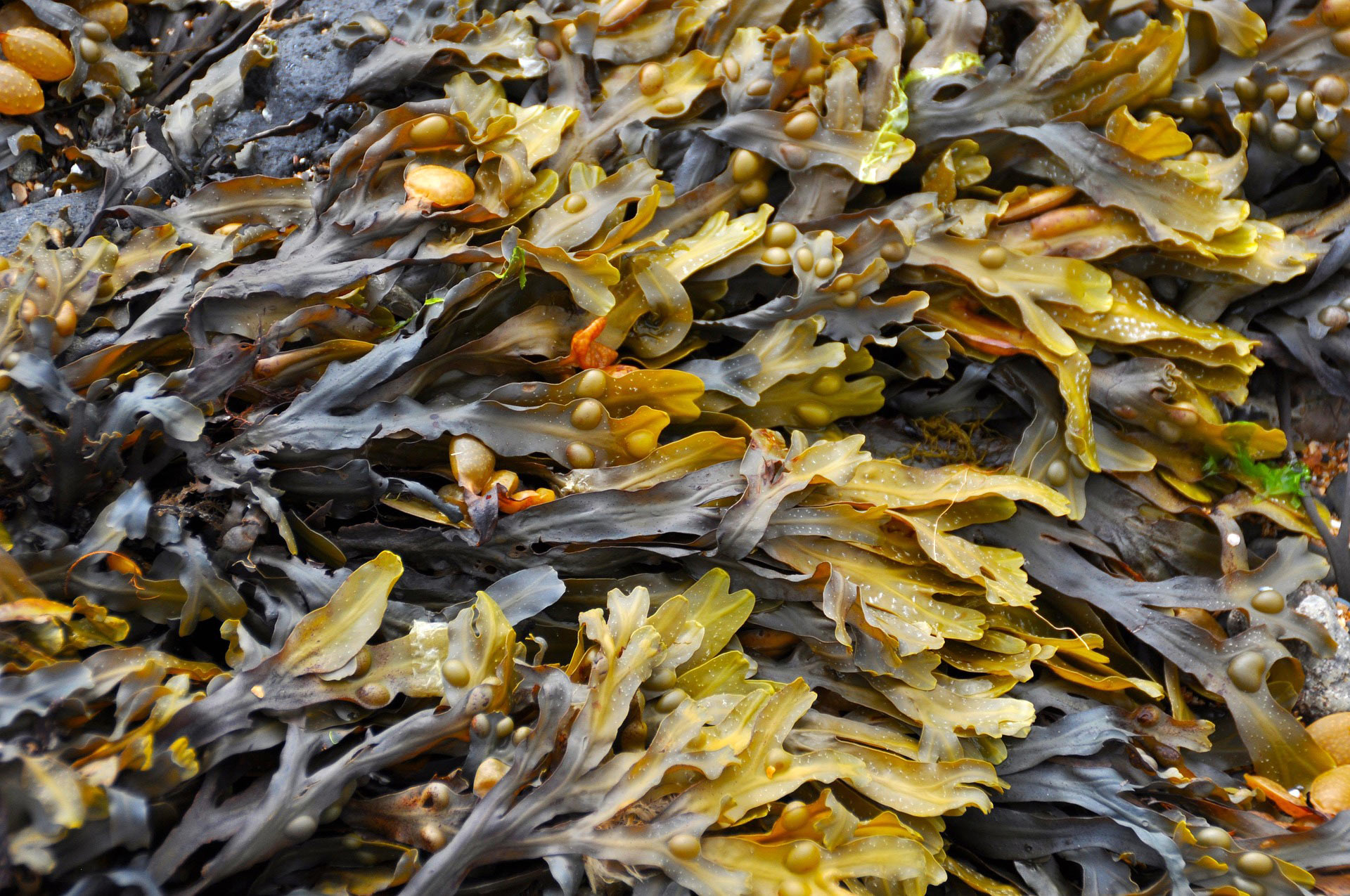
Fucoidans are structurally diverse, fucose-rich, sulfated polysaccharides derived mainly from brown seaweeds. Image credit: Ronile.
Fucoidans are sulfated sugar-like molecules that seaweeds such as kelp and wakame evolved as part of their defense against the harsh marine environment.
In a new review, Flinders University Professor Arduino Mangoni and colleagues surveyed a decade of studies and concluded that fucoidans merit serious consideration as agents that curb oxidative stress, a form of cellular damage linked to many chronic illnesses.
“The research so far indicates that its positive effects could deliver benefits in liver, kidney, intestinal, skin and wound repair, along with selected neurodegenerative diseases — but we have a long way to go to unpack its potential,” said Professor Mangoni, lead author of the study.
The quickest route to human trials might be topical uses such as wound dressings, where inflammation can be measured directly.
For conditions like liver or kidney disease, fucoidans would more likely serve as an add-on therapy.
“It takes many years or decades to bring a new drug to market — or a line of nutraceuticals or natural cosmetics on supermarket shelves — but fucoidan, as a bountiful marine polysaccharide, is already being farmed sustainably around the world,” said Flinders University’s Dr. Jai Meyers, co-author of the study.
“With further research, improved chemical understanding and better modeling, we could identify realistic disease targets to progress towards human trials.”
“One of the fastest paths to early human proof-of-concept trials could be local applications such as wound dressings, where local inflammatory status can be measured directly at a controlled location.”
“In systemic treatments, for example liver or kidney disease, fucoidans would more likely to be used as an additional therapy so future translational studies should focus on how they assist healing or improve organ function as positive oxidative biomarkers.”
The review paper was published on October 2, 2026 in the journal Archives of Toxicology.
_____
A.A. Mangoni et al. Therapeutic role of fucoidans against oxidative stress: recent developments, translational challenges, and future directions. Arch Toxicol, published online October 15, 2026; doi: 10.1007/s00204-026-04572-z