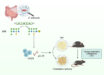
A small new study by Emory University scientists suggests that people with mild cognitive impairment and disturbed sleep — two hallmarks of early dementia — who take high daily doses of vitamin D may perform better on a standard cognitive test.

Higher daily vitamin D intake may impact cognition in persons with sleep disturbance and mild cognitive impairment.
Vitamin D, an essential nutrient, is not only necessary for muscle and nerve function, but also influences sleep quality and sleep-wake cycles.
Additionally, 50% of those with moderate to severe Alzheimer’s disease report having sleep disturbances, indicating a bidirectional relationship between sleep deprivation and cognitive decline.
“Sleep disturbances affect nearly half of individuals with mild cognitive impairment, a population at elevated risk of progressing to Alzheimer’s disease,” said senior author Dr. Victoria Pak, a researcher at Emory University, and her colleagues.
“Vitamin D’s role in cognitive outcomes, particularly among individuals with sleep disturbance and mild cognitive impairment, remains unclear.”
“This study explored associations between cognitive function and vitamin D supplement intake in individuals with mild cognitive impairment and sleep disturbance-a high-risk group that may be more vulnerable to progression toward Alzheimer’s disease.”
In the study, Dr. Pak and co-authors looked at 54 people with diagnosed or suspected mild cognitive impairment, a stage between normal aging and dementia, who also had sleep problems.
The participants took the Montreal Cognitive Assessment, a widely used screening test.
They reported their own vitamin D supplement use on a questionnaire.
The researchers found that participants who took 5,000 international units (IU) or more of vitamin D daily scored higher on the test than those who took none.
They also found that cognitive performance did not differ based on the form of vitamin D: D2, typically derived from plants or fungi, or D3, produced after sun exposure or consuming animal-based foods.
“In older adults experiencing both sleep disturbance and mild cognitive impairment, this may represent a critical window for intervention, when cognitive changes are emerging, but opportunities to support brain health may remain,” Dr. Pak said.
“Identifying accessible and modifiable factors, such as vitamin D supplement intake, during the earlier stages of cognitive decline may become increasingly important, particularly as rates of Alzheimer’s disease continue to rise.”
The study will appear in the October 2026 issue of the journal Sleep Medicine.
_____
Sirui Zhou et al. 2026. Vitamin D supplement intake is associated with better cognition in persons with sleep disturbance and mild cognitive impairment. Sleep Medicine 146: 108960; doi: 10.1016/j.sleep.2026.108960