In three new studies, researchers at the University of Gothenburg found that adolescents who use nicotine — including e-cigarettes and nicotine pouches — report more mental health symptoms than peers who don’t, with girls showing the strongest effects; they also found that nicotine altered activity in the amygdala, a brain region tied to emotion.
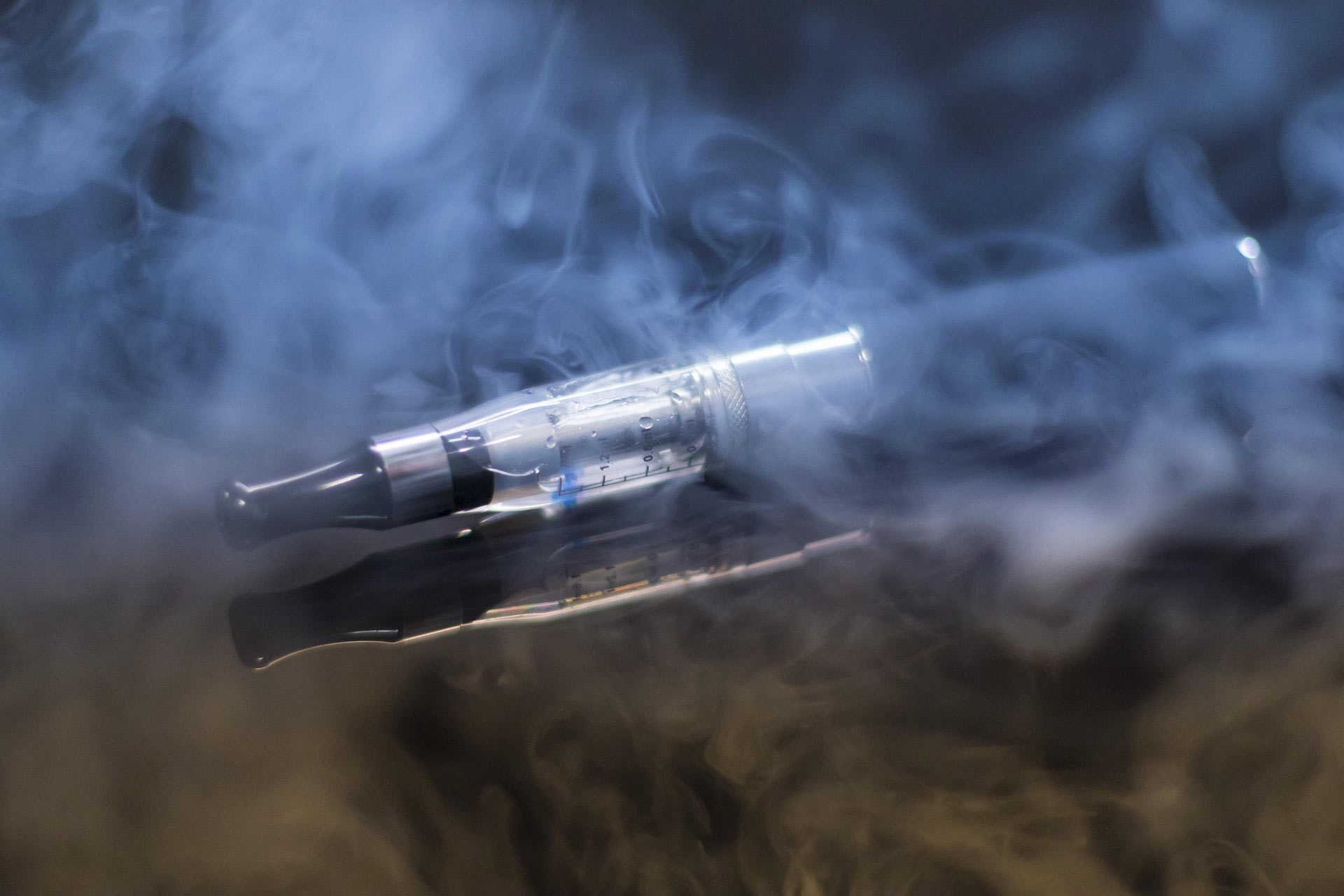
Andersson et al. found associations between nicotine use and anxiety, depression, sleep problems and suicidal thoughts among teenagers, with girls appearing particularly vulnerable. Image credit: Roland Mey.
“Cigarette smoking is a well-established risk factor for premature somatic disease and mortality,” said University of Gothenburg’s Ph.D. student Johanna Andersson and her collleagues.
“It is also disproportionately common among individuals suffering from psychiatric conditions, including anxiety, depression, bipolar disorder, and schizophrenia.”
“Nicotine experimentation is often initiated during adolescence, a critical period for brain development and maturation.”
“The adolescent brain appears particularly vulnerable to nicotine exposure, and regular use may induce lasting changes in brain regions that are essential for cognitive function and emotional processing.”
In the first study, published in the journal Tobacco Use Insights, the authors examined whether tobacco-free nicotine use is associated with symptoms of anxiety and depression in adolescents, whether these associations differ from those of traditional tobacco products, and whether gender identity affects the outcome.
The study involved a total of 3,730 adolescents, of whom 30% reported nicotine use.
Almost 80% of the girls who used nicotine reported clinically relevant symptoms of anxiety.
The associations were found for both traditional tobacco products and tobacco-free nicotine products such as nicotine pouches and e-cigarettes.
In the second study, published in journal Nicotine & Tobacco Research, the researchers followed 1,592 adolescents in southern Sweden over time, from lower secondary school through high school.
Depressive symptoms and suicidal ideation were more common among adolescents who smoked.
Girls who increased their tobacco use over time were also more likely to experience worsening sleep problems, anxiety, low mood, and difficulties concentrating.
“We see clear differences between girls and boys, with girls who smoke appearing to be particularly vulnerable,” Andersson said.
“At the same time, we need a better understanding of how nicotine pouches affect mental health, especially among adolescent girls, where the use of nicotine pouches has increased so rapidly.”
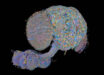
In the third, animal study, published in the journal Neuropharmacology, the authors found that nicotine affected the amygdala, a brain region that plays a key role in emotional regulation and stress responses. The effects were most pronounced in female rats.
Nicotine altered communication between neurons and produced long-lasting changes in brain activity that persisted even after the nicotine had left the body.
“One of the key findings is that we see similar patterns across several different studies using different types of data,” said University of Gothenburg’s Professor Louise Adermark.
“However, we still cannot determine cause and effect.”
“The animal studies demonstrate biological changes in the brain that could contribute to increased vulnerability to anxiety and stress-related symptoms.”
_____
Johanna Andersson et al. Gender-Specific Associations between Tobacco and Tobacco-Free Nicotine Use and Symptoms of Anxiety and Depression in Swedish Adolescents. Tobacco Use Insights, published online May 22, 2026; doi: 10.1177/1179173X261455075
Johanna Andersson et al. Sex-specific associations between tobacco use and youth mental health: prospective and cross-sectional findings from Swedish adolescents. Nicotine & Tobacco Research, published online June 30, 2026; doi: 10.1093/ntr/ntag148
Erika Lucente et al. 2026. Nicotine produces a sex- and subregion-specific hypoglutamatergic state in rodent amygdala which can be reversed by motor-skill training. Neuropharmacology 290, 110879; doi: 10.1016/j.neuropharm.2026.110879