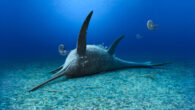
For more than a century, paleontologists studying the Late Jurassic seas that once covered southern Germany believed only one species of ichthyosaur, Aegirosaurus...
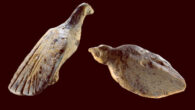
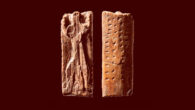
Archaeologists in southwestern Germany have unearthed two miniature bird figurines carved from mammoth ivory, among the smallest and most delicate examples...
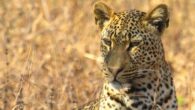
Named Panthera pardus burgtonnae, the newly-identified leopard subspecies roamed Europe during the Eemian interglacial period and was far more heavily...
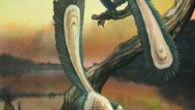
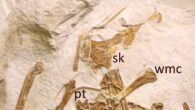
Paleontologists have described a new genus and species of early monofenestratan pterosaur based on a nearly complete and well-preserved fossil skeleton...
A comprehensive new review by Field Museum of Natural History paleontologists draws together the latest fossil evidence — including analysis of five...
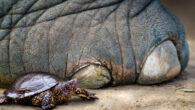
New evidence from Germany suggests Neanderthals captured European pond turtles (Emys orbicularis) around 125,000 years ago, likely valuing their shells...
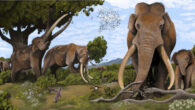
Chemical clues preserved in the teeth of straight-tusked elephants (Palaeoloxodon antiquus) from the 125,000-year-old site of Neumark-Nord in Germany suggest...
In a new paper published this month in the journal iScience, researchers from the University of Tübingen and elsewhere present a multidisciplinary analysis...
Frogs have conserved their ecology in the last 45 million years, according to new research led by University College Cork.
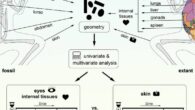
Falk et al. show that the geometry...
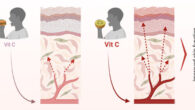
Skin vitamin C levels are closely tied to levels of the vitamin in the blood (plasma) and can be boosted by increasing fruit intake, according to a new...
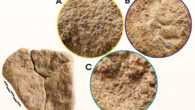
A small, isolated population of common hippos (Hippopotamus amphibius) was present in the Upper Rhine Graben in southwestern Germany during the middle...
Blue pigments are absent in Paleolithic art. This has been ascribed to a lack of naturally occurring blue pigments or low visual salience of these hues....
Paleontologists have discovered a new species of Eurhinosaurus — a genus of European longirostrine ichthyosaur characterized by its remarkable overbite...
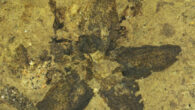
Paleontologists have screened 24-million-year-old fossil flowers and bees from the Late Oligocene of Enspel, Germany, and identified a new species of linden,...
The second half of the first millennium CE in Central and Eastern Europe was accompanied by fundamental cultural and political transformations. This period...
Paleontologists at the University of Leicester have examined the 150-million-year-old fossilized skeletons of two highly immature Pterodactylus antiquus...