An exquisitely preserved specimen of Austronaga minuta, a small, long-necked marine reptile from the Triassic of China, contains a fossilized stomach,...
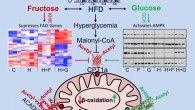
In a mouse study conducted by scientists at the Dasman Diabetes Institute in Kuwait, rodents fed a sucrose-free diet developed insulin resistance, gut...
An international research team led by scientists from the University of Bonn, the University Hospital Bonn and the Max Planck Institute of Animal Behavior...
Ellagic acid is a polyphenolic, non-flavonoid compound naturally found in a variety of fruits, such as pomegranates, raspberries, strawberries, and grapes,...
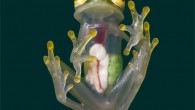
Transparency in animals is a complex form of camouflage involving mechanisms that reduce the scattering and absorption of light throughout the organism....
Paleontologists from Curtin University and elsewhere have studied a three-dimensionally mineralized heart (the oldest ever found), stomach, intestine and...
Evidence suggests that caffeine reduces cardiovascular disease risk. However, the mechanism by which this occurs is still unknown. In a new study, researchers...
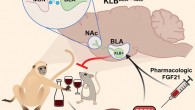
Vervet monkeys (Chlorocebus pygerythrus) with a strong preference for ethanol that were given an analogue of FGF21 (fibroblast growth factor 21), a powerful...
According to a new study in mice, a probable cause of Alzheimer’s disease is the leakage from blood into the brain of fat-carrying particles transporting...
In a study involving almost 500,000 adults from the United Kingdom, a team of scientists from the University of Southampton and the University of Edinburgh...
Xanthohumol, a prenylated flavonoid produced by hops (Humulus lupulus), and its synthetic derivative, tetrahydroxanthohumol, can mitigate the diet-induced...
The combination of decaffeinated green tea extract and voluntary exercise can effectively mitigate nonalcoholic fatty liver disease, suggests a new study...
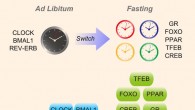
Fasting affects peripheral circadian clocks in the liver and skeletal muscle, causing them to rewire their metabolism, which can ultimately lead to improved...
Enterococcus gallinarum, a species of bacterium found in the small intestines of humans and mice, can travel to other organs and trigger an autoimmune...
Drinking three to four cups of coffee a day is associated with a lower risk of mortality and getting heart disease compared with drinking no coffee, according...
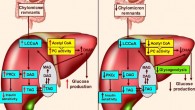
In a new study, Professor Gerald Shulman of the Howard Hughes Medical Institute at Yale and colleagues show that just three days of a very-low-calorie...