Replacing ordinary salt with a potassium-enriched alternative worldwide could prevent about 3 million deaths from heart and kidney disease every year, according to a new modeling study.
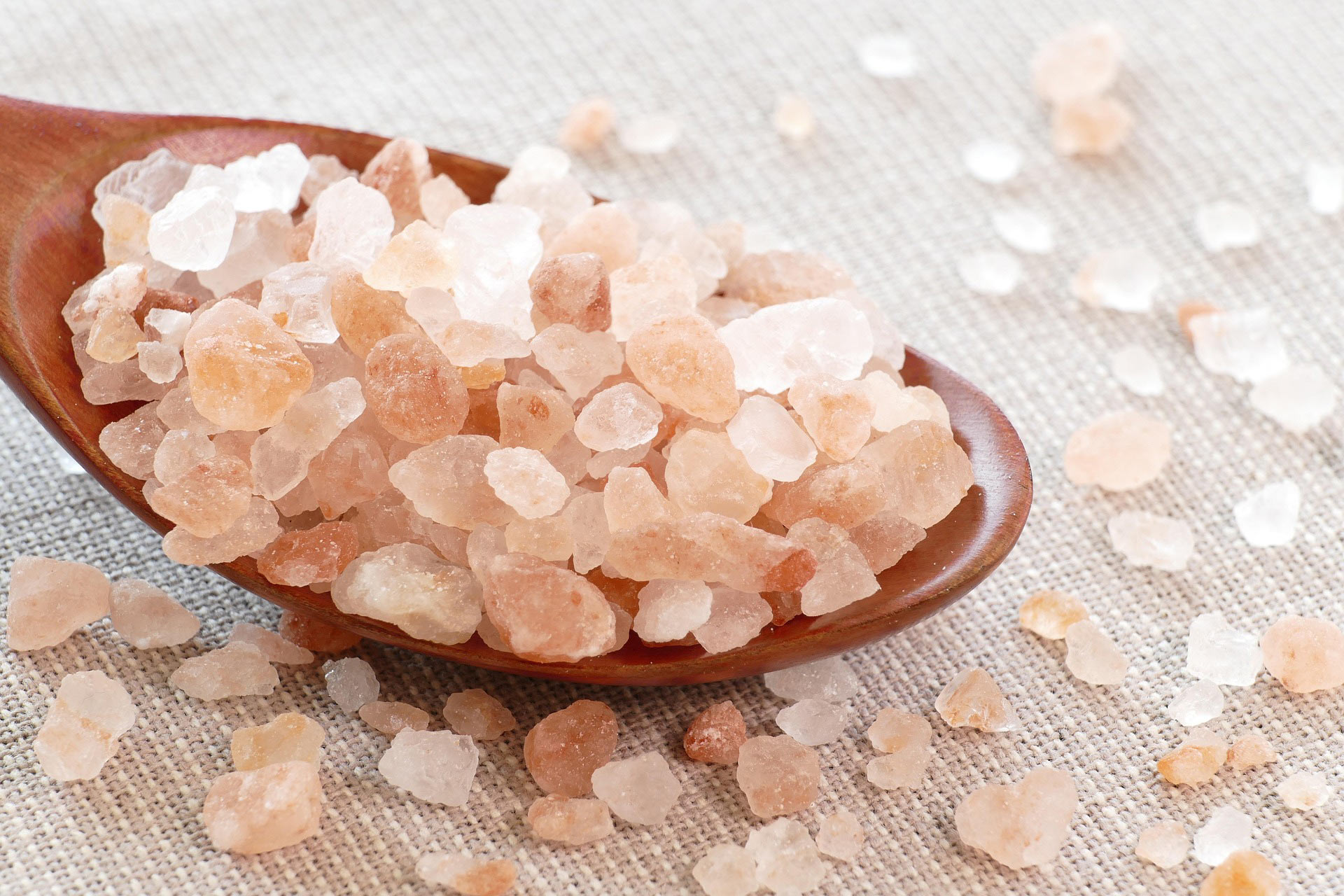
Huang et al. find large global health gains from replacing regular table salt, but caution that people with advanced kidney disease face risks. Image credit: Pictavio.
“Consuming too much sodium and not enough potassium are well established causes of high blood pressure — a major risk factor for life threatening conditions like strokes, heart attacks and kidney disease,” said Dr. Liping Huang from the George Institute for Global Health at the University of New South Wales and colleagues.
“Switching to potassium-enriched salt addresses both these dietary issues at the same time, with substantial health benefits.”
“While a global shift from regular salt to a potassium-enriched substitute is asprational, this is a starting point to get countries thinking about the opportunity — with much greater potential and at much lower cost than many drug-based treatments.”
The authors estimated that a complete global switch would avert 2.96 million deaths, 10.17 million new cases of disease and 69.4 million years of healthy life lost to disability or early death annually.
Potassium-enriched salt, typically 75% sodium chloride and 25% potassium chloride, works in two ways: it cuts sodium intake, which raises blood pressure, and it increases potassium intake, which helps lower it.
An average global sodium intake, at 4.3 grams a day, is more than double the World Health Organization’s recommended limit of 2 grams, while potassium intake, at 2.3 grams, falls well short of the recommended minimum of 3.5 grams.
The approach avoids a central problem with efforts to cut sodium: they require people to accept less salty food, which has proved ‘largely insurmountable’ for consumers and the food industry.
Potassium-enriched salt can be adopted with no detectable effect on taste for most people.
China and India would see the largest absolute gains, given their large populations and high salt consumption.
In 133 of the 193 countries analyzed, at least 10% of cardiovascular deaths would be prevented, mostly in Asia, North America and Latin America.
Replacing only salt that people add at home, in cooking and seasoning, would prevent an estimated 1.85 million deaths a year. Replacing salt in processed and restaurant foods would prevent 1.56 million.
Because home use currently accounts for more salt consumption worldwide, targeting it yields more benefit overall, but the researchers expect the importance of processed foods to grow as economies develop.
In the United States, the processed-food route is especially significant.
A narrower approach, aimed only at people already diagnosed with hypertension, would prevent an estimated 0.59 million deaths, about one-fifth of the full benefit. It may be more immediately achievable because those people are already under clinical care.
“To realize the maximum benefits from switching to potassium-enriched salt, we need to see the food industry in Europe and North America — where over 70% of salt intake comes from processed and restaurant foods — get on board,” said Professor Bruce Neal, a researcher at the George Institute for Global Health.
“This would also require investigating ways to scale up the production of potassium chloride to meet demand.”
The main potential harm is hyperkalemia, or dangerously high blood potassium, which can occur in people with advanced chronic kidney disease whose bodies struggle to clear the mineral.
The model estimated that a universal switch could cause about 100,000 deaths a year from this effect among people with kidney disease stages 3 to 5, while preventing about 750,000 deaths in that same group through blood pressure reduction. Overall, the scientists calculated more than seven deaths prevented for every one caused.
According to the team, the harm estimate is likely ‘substantially overestimated’ because it assumed no one with advanced kidney disease would avoid the product, whereas such patients are often diagnosed and advised to limit potassium.
Suggested safeguards include better kidney disease screening, standardized warning labels and listing potassium-enriched salt as a food ingredient.
“People with serious kidney disease and those taking medications that significantly raise blood potassium levels need to take precautions,” said Professor Vivek Jha, a nephrologist at the George Institute for Global Health.
“Risks for this group can be managed effectively through patient education, product labeling, and clinical oversight.”
The study appears in the journal Nature Health.
_____
L. Huang et al. Global health outcomes from replacing dietary sodium chloride with potassium-enriched salt. Nat. Health, published online November 4, 2026; doi: 10.1038/s44360-026-00216-9