A small new study suggests that eating peanuts changes the fats circulating in the blood in ways linked to a modestly lower risk of type 2 diabetes.
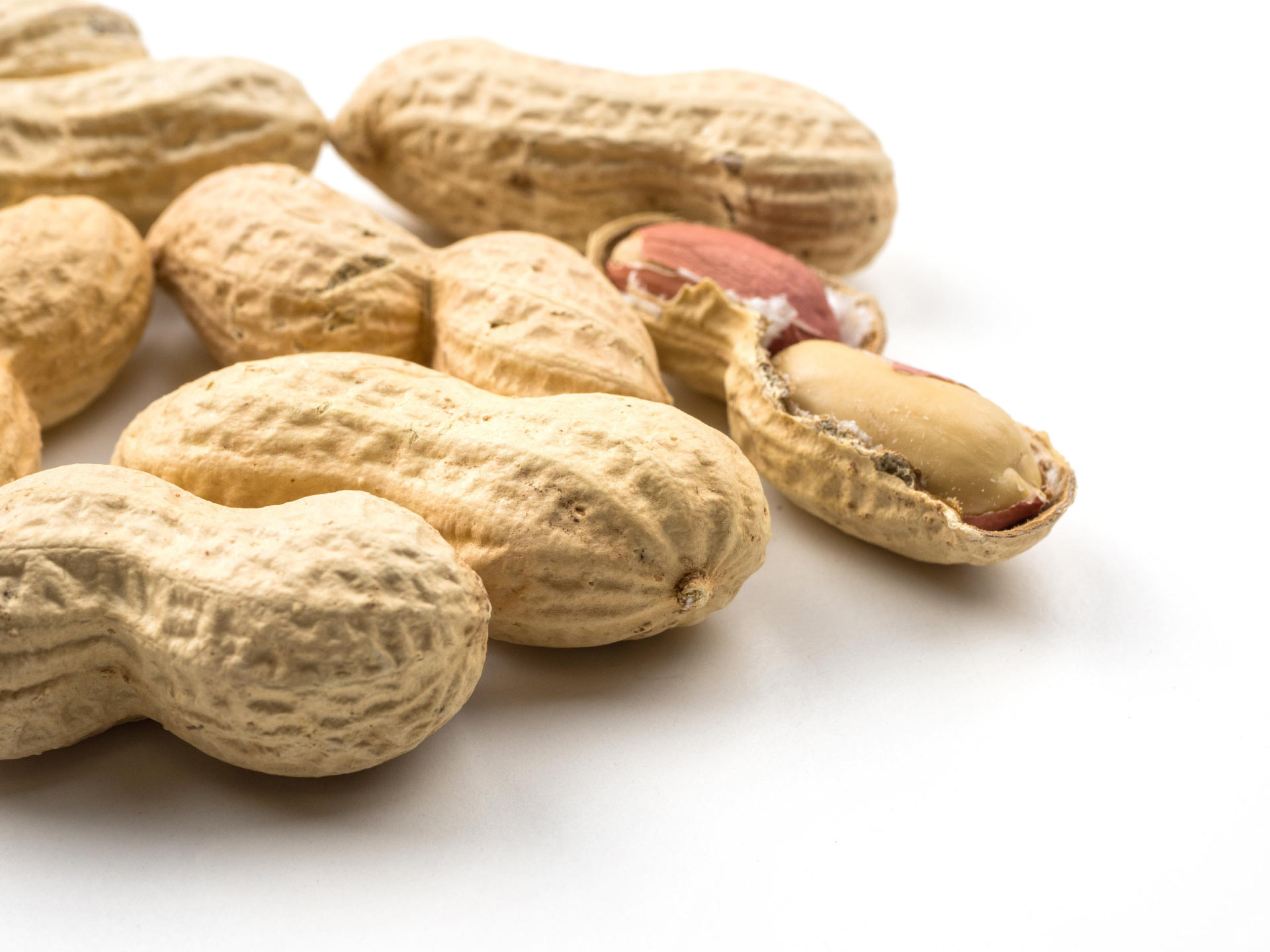
Domínguez-López et al. integrated lipidomics data from the ARISTOTLE trial and the population-based EPIC-Potsdam cohort to evaluate the lipidomic impact of peanut consumption and its link to cardiometabolic risk; they identified a lipid signature of peanut consumption that was prospectively associated with lower type 2 diabetes risk, an association largely attenuated after adjustment for body mass index. Image credit: Lucio Alfonsi.
“We aimed to characterize the effects of peanut consumption on the circulating lipidome and examine associations of the resulting changes with cardiovascular disease (CVD) and type 2 diabetes,” said Dr. Rosa Lamuela-Raventós, a researcher at the University of Barcelona.
Dr. Lamuela-Raventós and colleagues combined data from a small clinical trial and a large, long-running European health study.
In the trial, 63 healthy young adults in Barcelona were assigned for six months to eat 25 grams of roasted peanuts a day, 32 grams of peanut butter, or 32 grams of a control butter made with peanut oil.
Blood tests showed that the diets altered 51 groups of fats, mostly those containing very long-chain saturated fatty acids, a type found in few foods besides peanuts.
The changes were concentrated in sphingolipids, a family of fats that includes ceramides.
The authors then used those changes to build a peanut lipidomic signature, a score that can be calculated from blood samples.
They applied it to the EPIC-Potsdam study, which followed adults in Germany, and included 774 people who developed type 2 diabetes and 547 who developed cardiovascular disease.
Each one-standard-deviation increase in the score was associated with an 11% lower risk of type 2 diabetes. The score showed no link to cardiovascular disease.
Body mass index (BMI) appeared to account for most of the diabetes link, which suggests peanuts may help by influencing weight, though the researchers call this analysis hypothesis-generating, and its uncertainty was wide.
The findings support peanuts as a source of healthy fats within a diet that protects cardiometabolic health.
“Peanut consumption induces changes in the circulating lipidome, largely involving very long-chain saturated fatty acid-containing lipids, which are associated with lower type 2 diabetes risk partly through BMI,” the scientists concluded.
“These results highlight peanuts as a source of dietary fats that may be linked to lower risk of type 2 diabetes.”
The study was published in The American Journal of Clinical Nutrition.
_____
Inés Domínguez-López et al. 2026. Peanuts-derived plasma lipids and lower risk of type 2 diabetes: association mediated by body mass index — an intervention and case-cohort study. The American Journal of Clinical Nutrition 124 (5): 101527; doi: 10.1016/j.ajcnut.2026.101527