A large review of clinical trials published this week in the journal PAIN suggests that melatonin — the over-the-counter sleep supplement taken by millions of people — may offer meaningful relief for patients suffering from chronic musculoskeletal conditions such as low back pain, osteoarthritis, and fibromyalgia.
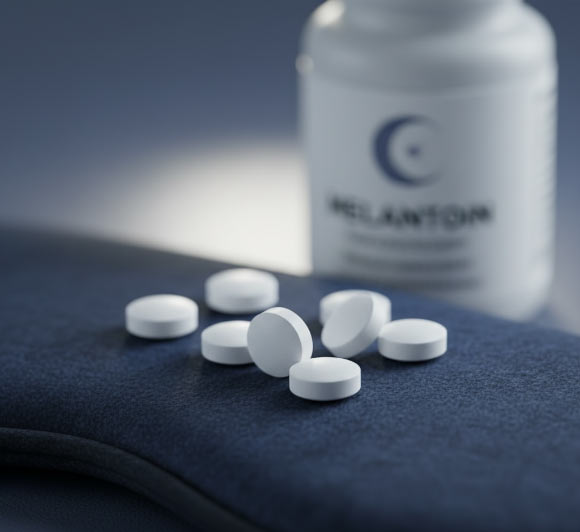
Melatonin showed modest benefits for musculoskeletal pain in a new analysis, but researchers caution it should not replace standard treatments.
Melatonin is an endogenous hormone produced by the pineal gland and is commonly used as an over-the-counter supplement for sleep problems, although clinical guidelines generally do not recommend it as a first-line treatment for insomnia.
A 2013 systematic review showed that melatonin reduced sleep latency and increased total sleep time compared with placebo in people with insomnia.
Melatonin also seems to have a favorable safety profile. Existing reviews show that high dose or long-term use of melatonin does not lead to drug dependence or serious adverse events.
“Melatonin is already in people’s homes, it’s inexpensive, and we know it’s safe,” said University of Sydney Ph.D. student Kangchao Wu.
“What’s exciting is that melatonin may also help manage chronic pain, opening the door to reducing reliance on medications that come with more risks.”
“We’re taking a medication we already understand and applying it to a problem that affects a huge proportion of the global population,” said Professor Paulo Ferreira, a researcher at the University of Sydney and Edith Cowan University.
For the study, the authors analyzed data from 23 randomized controlled trials involving 2,028 patients.
Participants included people with conditions such as low back pain, osteoarthritis and fibromyalgia, as well as those recovering from surgeries including joint replacements and spinal procedures.
The researchers found that melatonin reduced pain intensity in patients with chronic musculoskeletal pain by nearly nine points on a 100-point scale compared to all treatments combined — an effect size they note is roughly comparable to that of common nonsteroidal anti-inflammatory drugs like ibuprofen.
Beyond pain, they found that melatonin significantly improved sleep quality in people with chronic musculoskeletal conditions, which may itself help explain some of the pain relief, given the well-documented link between poor sleep and heightened pain sensitivity.
The supplement appeared safe across the trials reviewed. The most commonly reported side effects were nausea, dizziness, and headache, all described as mild and transient, and occurring at rates comparable to placebo in several studies.
“For many patients, pain doesn’t exist in isolation and is closely tied to poor sleep,” Wu said.
“Melatonin appears to target both, which makes it particularly useful for people managing chronic pain.”
Across the trials, the dose and timing of melatonin varied depending on the condition and setting.
For chronic musculoskeletal pain, doses typically ranged from 3 to 10 mg, with 3 mg per day the most commonly used.
For postoperative pain, doses ranged from 1 to 10 mg, with 5 to 6 mg most common.
Melatonin was generally taken at bedtime or up to one hour before sleep.
The researchers did not find evidence of a clear dose-response relationship, meaning no single ‘best’ dose can be recommended from the current evidence.
They emphasize that patients should discuss melatonin with their doctor before use, especially if they are taking other medicines or have underlying health conditions.
“Our advice isn’t for melatonin to replace every pain medication,” Wu said.
“Instead, after consultation with a doctor, it may be used as an adjunct to existing treatments, particularly for people who also experience sleep problems.”
“The level of pain relief we observed is comparable to some conventional treatments, but this does not mean melatonin should replace them.”
“Rather, it may offer a safer additional option within a broader pain management plan.”
_____
Kangchao Wu et al. Efficacy and effectiveness of melatonin for the management of musculoskeletal pain: a systematic review and meta-analysis of placebo and active controlled trials. PAIN, published online June 30, 2026; doi: 10.1097/j.pain.0000000000004045