People who naturally stay up late may be more prone to obesity and poorer metabolic health in part because they consume more of their daily calories late in the evening, according to a new study of women of European and Pacific ancestry in New Zealand.
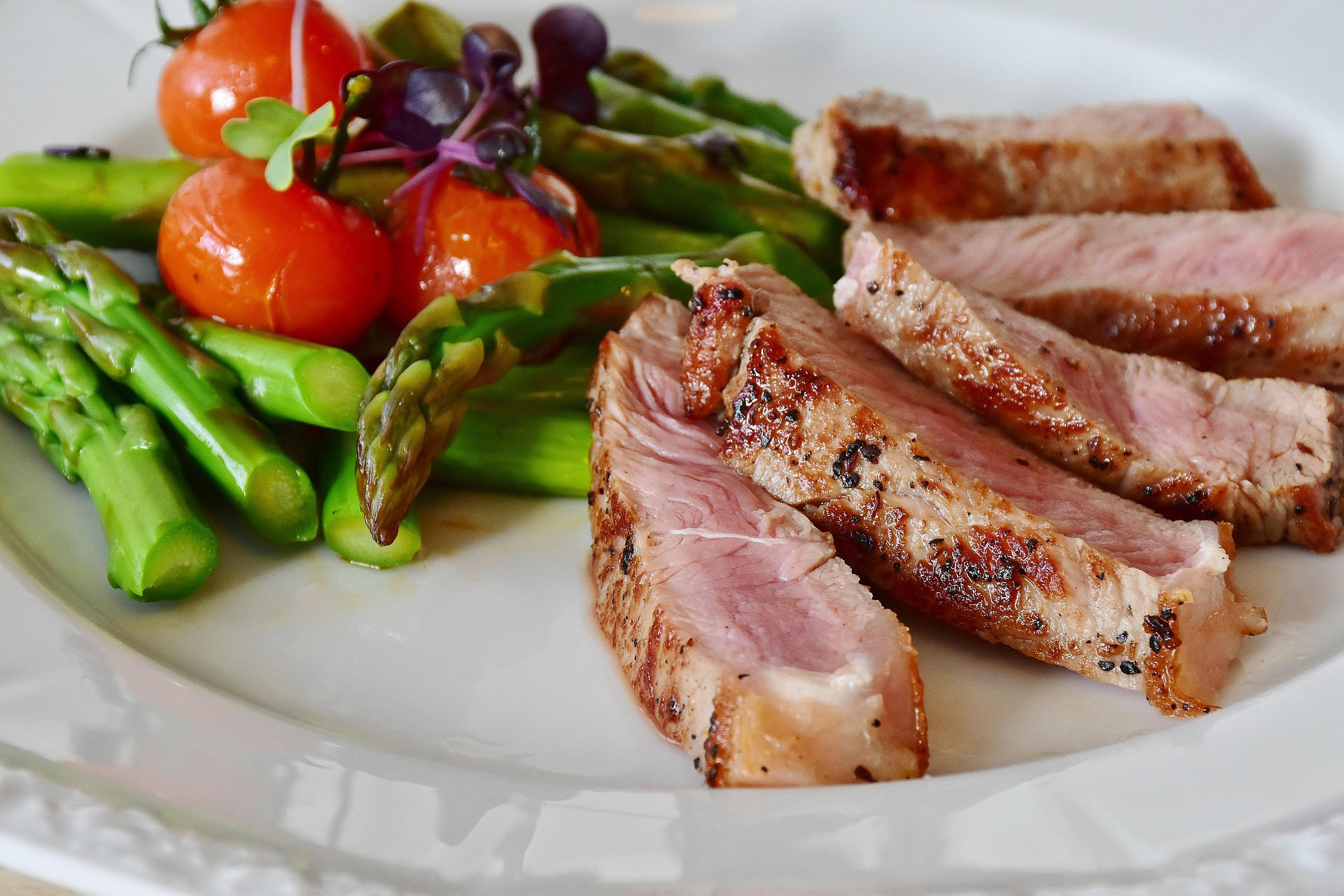
van der Merwe et al. assessed whether chronotype is associated with dietary intake (energy; nutrients), meal timing, body composition markers, and metabolic biomarkers in healthy European and Pacific New Zealand women. Image credit: RitaE.
Humans tend to structure the timing of their sleep and wake episodes within the 24-h day according to their subjective preferences.
These individual preferences for sleep-wake timing relative to the light-dark cycle are referred to as chronotype.
A person’s chronotype influences the timing of diurnal activity preferences and the modulation of physiological functions and behavior.
The sleep and wake times in morning types are several hours earlier than in evening types.
Chronotype influences not only sleep and wake times but also food intake timing.
“Are you an early bird or a night owl? When a person routinely prefers to go to bed early and wake up early, they are considered morning chronotypes, and when they prefer to go to bed late and wake up late, they are considered evening chronotypes,” said Professor Rozanne Kruger, a researcher at Massey University and at Griffith University.
“Chronotypes influence our preferences for food intake, our behaviors and our metabolism.”
In the study, the authors followed 287 healthy women of European and Pacific Islander descent in New Zealand.
Participants completed a detailed questionnaire about their sleep schedules, kept five-day food diaries, underwent body composition scans using dual-energy X-ray absorptiometry, and provided fasting blood samples for metabolic testing.
Just over half of the participants were classified as intermediate chronotypes, 34% as evening types and 12% as morning types.
Women in the evening group had an average body mass index of 31.4, compared with 26.1 among the combined morning and intermediate group.
They also had higher total body fat and a higher android-to-gynoid fat ratio, a measure linked to abdominal fat accumulation.
Although total daily food intake differed only modestly, the timing of eating was markedly different.
Women in the morning and intermediate groups consumed significantly more energy, protein, carbohydrates and fat before 10 a.m. In contrast, evening types consumed substantially more of those nutrients after 8 p.m.
The researchers found that this pattern was especially pronounced among women with higher body fat.
Evening chronotypes with elevated body fat were more likely to eat relatively little in the morning and substantially more energy, carbohydrates and fat late at night.
Compared with earlier chronotypes, evening types consumed lower amounts of several nutrients associated with healthier diets, including fiber, vitamins A and E, folate, calcium, magnesium, potassium and iodine.
They also consumed less caffeine and alcohol but slightly more total daily energy and carbohydrates.
Blood tests suggested these dietary patterns coincided with less favorable metabolic health.
Evening chronotypes had higher levels of triglycerides, insulin, glycated hemoglobin and leptin, along with lower concentrations of HDL, or ‘good,’ cholesterol, and the appetite hormone ghrelin.
Correlation analyses further linked greater morning energy intake with higher HDL cholesterol and lower insulin, glycated hemoglobin and leptin levels.
By contrast, greater evening energy intake was associated with higher triglycerides, insulin and glycated hemoglobin concentrations.
“Both morning- and evening-types among healthy European and Pacific NZ women consumed similar amounts of food or energy across the day,”
“Evening-types consumed less food between 3 a.m. and 9:59 a.m. but more food between 8 p.m. and 2:59 a.m., while the opposite was true for morning-types.”
“This evening-type eating and sleeping pattern was associated with greater body fat percentage, belly fat, and higher blood sugar and lipids.”
“Consuming food at night, when we are supposed to be fasting and sleeping means we store more food rather than use it, which may increase susceptibility to obesity and cause worse health outcomes.”
The study was published July 7, 2026 in the journal Frontiers in Nutrition.
_____
Carlien van der Merwe et al. 2026. Chronotype and associations with dietary intake, meal timing, body composition, and metabolic biomarkers. Front. Nutr 13; doi: 10.3389/fnut.2026.1862060