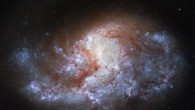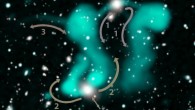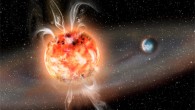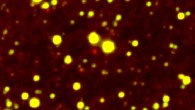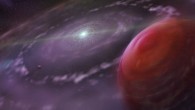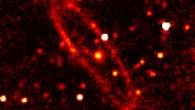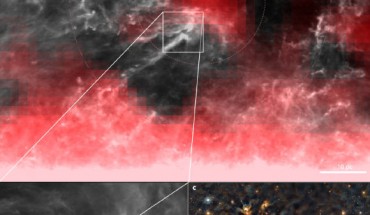
The Ophiuchus star-forming complex is a complex of interstellar clouds, nebulae and prestellar cores in the constellation of Ophiuchus. At an estimated distance of 427 light-years, it is one of the closest star-forming regions to our Solar System. A new study of the complex shows how our Solar System may have become enriched with short-lived radioactive elements. Evidence of this enrichment process has been around since the 1970s, when scientists...