Researchers have identified more than 1,200 locations in the human genome associated with personality traits, offering the most detailed look yet at the biological underpinnings of traits like sociability, anxiety and curiosity, while also underscoring how much of personality remains shaped by life experience rather than genes. The results appear this week in the journal Nature.

Schwaba et al. find that the genetic architecture of personality is robustly generalizable, minimally confounded and widely relevant to human experience.
“Human personality traits can be divided into five categories, known as the Big Five: extraversion (including traits such as sociability, assertiveness and energy level), agreeableness (compassion, respectfulness and trust), conscientiousness (organization, productiveness and responsibility), neuroticism (anxiety, depression and volatility) and openness to experience (imagination, curiosity and aesthetic sensitivity),” said Michigan State University’s Dr. Ted Schwaba and colleagues.
“Various pieces of research over the past 100 years have demonstrated that genetic and environmental factors contribute to variation in personality.”
“However, attempts to identify genetic signatures associated with personality traits are challenging as multiple genes may be involved and very large participant numbers are needed to make meaningful associations.”
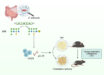
The authors analyzed data from 46 cohorts comprising up to 1.14 million participants of European and African ancestry.
They pinpointed 1,260 lead genetic variants tied to the five traits, a many-fold increase over prior studies, with roughly two-thirds representing newly discovered associations.
Despite this expansion, common genetic variants explained only a modest slice of personality differences between people — between about 5 and 9% of variation for a typical trait measure, rising to around 13% when accounting for measurement imprecision.
This is far below the 40 to 60% heritability estimates that have emerged from twin and family studies, a gap the authors attribute largely to the difficulty of capturing rare genetic variants and complex gene interactions through this method.
One of the study’s main conclusions is that genetic signals tied to personality look remarkably similar regardless of where in the Western world someone lives, how old they are, or whether their personality was rated by themselves or by someone who knows them well.
The main exception was agreeableness, whose genetic associations varied more across populations and measurement approaches than the other traits.
The scientists also linked personality-related genetic profiles to a wide range of life outcomes, including physical and mental health, substance use, career paths, and even where people choose to live as they age.
Using a technique called Mendelian randomization, they found evidence that personality traits may causally influence outcomes such as body weight, smoking behavior and COVID-19 infection risk, and that life circumstances, such as educational attainment, may in turn shape personality over time.
The authors also emphasized that individual genetic effects on personality are exceedingly small and diffuse, spread across many thousands of variants, and cannot be used to predict any single person’s character or behavior.
They noted that all of the methods used in the study continue to point to environment as a major force shaping who people become.
“The findings highlight the widespread influence of personality across many areas of life,” Dr. Schwaba said.
“”Personality seems to be relevant nearly everywhere you look.”
“We hope this study will encourage many other scientists to incorporate personality traits into their fields of study.”
“The findings provide a new understanding of how biology and environment work together to shape personality,” said Dr. Michelle Lupton, a researcher at QIMR Berghofer Medical Research Institute.
“This very large scale study shows us that our genetic makeup plays a key role, up to 16% of the variation in personality can be explained by common genetic variation.”
“The remaining is due to our environment, which includes our life circumstances and experiences.”
_____
T. Schwaba et al. Robust inference and correlates from genetic associations with personality. Nature, published online September 2, 2026; doi: 10.1038/s41586-026-10992-9