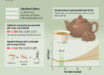
A traditional Chinese medicine procedure that places absorbable threads beneath the skin at acupuncture points helped women with overweight or obesity lose about 3 kg, according to a new randomized trial.

Xu et al. found women who received the treatment lost about 3 kg more than a comparison group. Image credit: National Institute for Korean Medicine Development.
Acupoint thread embedding is a traditional Chinese medicine technique in which a short piece of absorbable surgical thread is inserted beneath the skin at specific acupuncture points.
Unlike conventional acupuncture, which uses thin needles that are removed after a treatment session, thread embedding leaves a small piece of biodegradable material in the tissue.
The thread gradually dissolves over several weeks, providing prolonged stimulation of the selected acupoint.
In a new study, Dr. Shifen Xu from the Shanghai University of Traditional Chinese Medicine and colleagues randomly assigned 132 women, ages 18 to 45, with a body mass index (BMI) of 24 or higher to either six treatment sessions over 12 weeks or a sham procedure.
In the sham version, a needle was inserted superficially at the same points without manipulation, thread placement or retention.
Participants did not know which treatment they received, and neither did the staff assessing outcomes or analyzing the data.
At 12 weeks, women who received the real treatment had lost about 1.8 kg (nearly 4 pounds) more than those in the sham group.
By 24 weeks, the gap had widened to about 3 kg (roughly 6.6 pounds).
At 12 weeks, 25.8% of the treatment group had lost at least 5% of their body weight, compared with 9.1% of the sham group.
Women who received the treatment also had greater reductions in waist and hip circumference, body fat percentage and appetite scores.
But measures of cardiometabolic health, such as those related to blood sugar and cholesterol, did not differ between the groups, nor did patient-reported outcomes.
Side effects were mild and similar in both groups, and the researchers found no serious safety concerns.
“Acupoint thread embedding produced modest but sustained reductions in BMI and adiposity-related measures in Chinese women of reproductive age with overweight or obesity,” they said.
Their paper was published today in the Annals of Internal Medicine.
_____
Shifen Xu et al. Acupoint Thread Embedding for Weight Loss in Women with Overweight or Obesity: A Randomized Controlled Trial. Annals of Internal Medicine, published online November 17, 2026; doi: 10.7326/ANNALS-26-02294