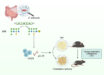
In new research, University of Galway’s Dr. Martin David Mulligan and his colleagues followed nearly 800 participants from the Framingham Heart Study for more than a decade and a half, examining whether vitamin D levels measured in their 30s were linked to changes in the brain in later life. They found that individuals with higher circulating levels of vitamin D had lower accumulations of tau — a protein that forms damaging tangles in the brains of people with Alzheimer’s disease — when scanned roughly 16 years later. The association held even after adjusting for a wide range of factors, including age, sex, cardiovascular health, smoking, depression and body mass index.

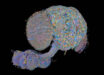
Low vitamin D in midlife may represent a potentially modifiable target to mitigate the risk of neuroimaging signs of preclinical dementia. Image credit: Aloísio Costa Latgé.
Dementia is a major contributor to global morbidity, affecting an estimated 57 million people worldwide.
“Our results suggests that higher vitamin D levels in midlife may offer protection against developing tau deposits in the brain and that low vitamin D levels could potentially be a risk factor that could be modified and treated to reduce the risk of dementia,” Dr. Mulligan said.
“Of course, these results need to be further tested with additional studies.”
The study draws on data from 793 adults (53% women, mean age – 39 years) who were free of dementia at the time of brain imaging.
Participants had their blood levels of 25-hydroxyvitamin D measured between 2002 and 2005, and later underwent positron emission tomography (PET) scans between 2016 and 2019 to detect tau and amyloid deposits.
Tau accumulation, particularly in regions such as the entorhinal cortex and temporal lobes, is believed to play a central role in the early stages of Alzheimer’s disease.
The researchers found that higher vitamin D levels were associated with lower tau burden both across the brain and in these especially vulnerable regions.
“A total of 34% of participants had low levels of vitamin D and 5% were taking vitamin D supplements,” they said.
The findings add to a growing body of evidence linking vitamin D to brain health, though most prior studies have focused on older adults or clinical outcomes like dementia diagnosis rather than early, preclinical changes in the brain.
The scientists suggest that vitamin D in midlife could represent a potentially modifiable target for reducing the risk of neurodegenerative changes before symptoms appear.
Still, the study does not prove that vitamin D directly prevents tau buildup or dementia. It measured vitamin D at a single point in time and did not track changes in levels over the intervening years. Nor did it test whether supplementation would alter brain outcomes.
“These results are promising, as they suggest an association between higher vitamin D levels in early middle-age and lower tau burden on average 16 years later,” Dr. Mulligan said.
“Mid-life is a time where risk factor modification can have a greater impact.”
The results appear in the journal Neurology.
_____
Martin David Mulligan et al. 2026. Association of Circulating Vitamin D in Midlife with Increased Tau-PET Burden in Dementia-Free Adults. Neurology 2 (2): e000057; doi: 10.1212/WN9.0000000000000057