Researchers in Japan say S-1-propenyl-L-cysteine, a molecule found in aged garlic extract, restored strength and reduced frailty in older mice by activating a newly identified signaling pathway.
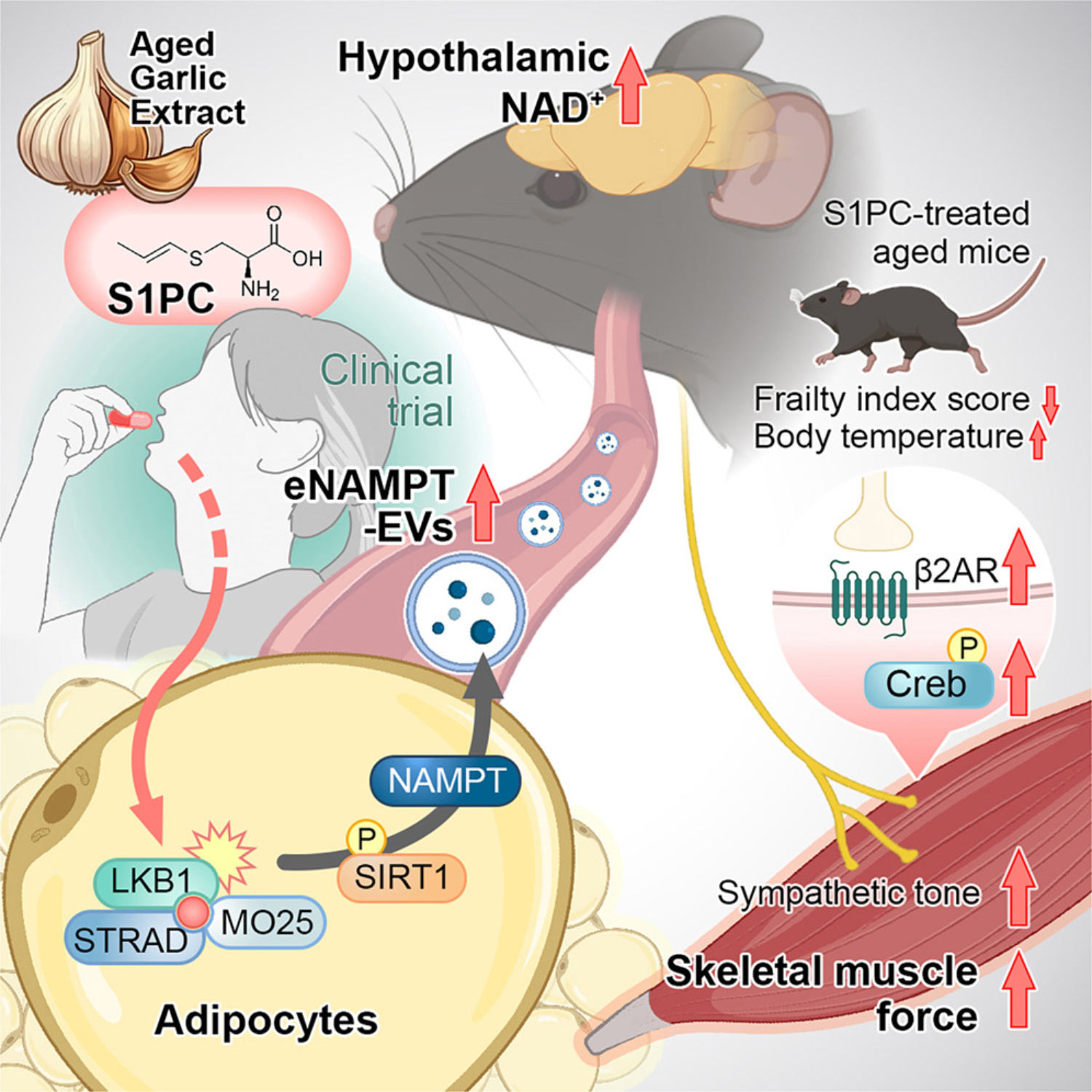
Suzuki et al. report that S1PC, a bioactive compound derived from aged garlic extract, improved muscle function in aging mice and may point toward a low-cost strategy for combating frailty in older adults. Image credit: Suzuki et al., doi: 10.1016/j.cmet.2026.04.006.
Historically, garlic (Allium sativum) has been widely used to treat health problems and diseases throughout the globe.
In ancient Egypt, Greece, China, and India, it was used as a panacea to boost vitality, enhance endurance, and combat infections.
There has been an increasing body of scientific evidence demonstrating that garlic itself and aged garlic extract (AGE) convey significant health benefits in humans.
Many bioactive constituents have been identified, including allicin in garlic and S-allyl-L-cysteine (SAC) and S-1-propenyl-L-cysteine (S1PC) in AGE.
Among them, S1PC, a sulfur-containing amino acid relatively abundant in AGE, has recently been studied extensively, showing a variety of interesting pharmacological actions, including enhancement of mitochondrial energy metabolism, amelioration of atherosclerosis, and protection of vascular endothelial cells.
“During my clinical experience as a physical therapist, I was often frustrated to see older adults lose physical function and vitality simply because they had no specific disease requiring medical treatment. This gap in proactive care has driven my research,” said Dr. Kiyoshi Yoshioka, a researcher at the Institute for Research on Productive Aging and the National Center for Geriatrics and Gerontology.
“We hope our findings will help improve fitness and muscle strength in older individuals by the simple inclusion of a nutraceutical as part of the daily diet.”
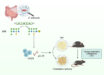
In the study, Dr. Yoshioka and colleagues discovered that S1PC activates the enzyme liver kinase B1 (LKB1), a key regulator of cellular metabolism.
Importantly, S1PC enhances the formation of a protein complex involving LKB1, which leads to activation of the SIRT1 pathway that promotes secretion of extracellular NAMPT (eNAMPT) from adipose (fat) tissue.
The enzyme eNAMPT is key to the synthesis of NAD+, a small essential molecule involved in cell protection, DNA repair, and energy production.
Rather than acting directly on muscle, eNAMPT within extracellular vesicles (eNAMPT-EVs) released from fat tissue travels through the bloodstream and acts on the hypothalamus, a key regulatory center in the brain.
This interaction is associated with increased sympathetic nervous signaling, which contributes to improved muscle function.
The findings reveal a novel communication pathway linking fat tissue, the brain, and skeletal muscle, offering new insights into how aging-related functional decline may be regulated.
The functional benefits of S1PC were further evaluated in aged mice.
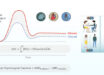
Long-term administration of S1PC reduced frailty scores, increased skeletal muscle force, and restored core body temperature.
Notably, a human study showed that S1PC increased eNAMPT levels in circulation, particularly in individuals with sufficient fat tissue.
The finding that the distinct effect of S1PC on eNAMPT-EV secretion is conserved between cells, mice, and humans has significant implications for the use of S1PC as a potential anti-aging intervention in humans.
“Our findings present a previously unrecognized and unique function of S1PC in activating LKB1, and in promoting an inter-organ communication that ameliorates muscle frailty,” said Dr. Shin-ichiro Imai, chairman of the Institute for Research on Productive Aging.
“We anticipate that S1PC is likely to have a broader anti-aging effect that warrants detailed investigation.”
The results were published today in the journal Cell Metabolism.
_____
Jun-ichiro Suzuki et al. Garlic-derived metabolite activates LKB1, promotes adipose eNAMPT secretion, and improves age-related muscle function via hypothalamic signaling. Cell Metabolism, published online May 7, 2026; doi: 10.1016/j.cmet.2026.04.006