In a large clinical trial, Tufts University researcher Bess Dawson-Hughes and colleagues found that vitamin D supplements reduced diabetes risk only in people with certain genetic variants, pointing toward a more personalized approach to prevention.

Dawson-Hughes et al. found prediabetic adults with certain variations in the vitamin D receptor gene had a 19% lower risk of developing diabetes when taking a high daily dose of vitamin D.
Dr. Dawson-Hughes and co-authors analyzed data from the D2d study, a multisite randomized, double-blind, placebo-controlled clinical trial conducted from October 1, 2013, to November 28, 2018.
The original trial tested the effect of 4,000 units of vitamin D per day versus placebo in more than 2,000 U.S. adults with prediabetes to see if a daily high dose of vitamin D would lower the chance of these particularly high-risk individuals developing diabetes.
However, it did not find a significant reduction in diabetes risk across all participants.
“But the D2d results raised an important question: could vitamin D still benefit some people?” Dr. Dawson-Hughes said.
“Diabetes has so many serious complications that develop slowly over years.”
“If we can delay the time period that an individual will spend living with diabetes, we can stop some of those harmful side effects or lessen their severity.”
Through an earlier analysis, the D2d research team found that blood levels of 40 to 50 ng/mL of 25-hydroxyvitamin D or higher were linked to substantial and progressively larger reductions in participants’ risk of developing diabetes.
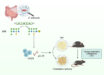
Vitamin D circulating in the blood is converted into its active form in the body before binding to the vitamin D receptor, a protein that helps cells respond to the vitamin.
The researchers wondered whether genetic differences in this receptor might explain why some people benefited from vitamin D while others did not.
The pancreas’ insulin-producing cells have vitamin D receptors, suggesting the vitamin may help influence insulin release and blood sugar control.
For their new study, the scientists analyzed genetic data from 2,098 trial participants who had consented to DNA testing according to two groups: participants who appeared to benefit from vitamin D supplementation and those who did not.
They then compared response rates by subgroups of patients sorted according to three common variations in the vitamin D receptor gene.
This analysis revealed that adults with the AA variation of the ApaI vitamin D receptor gene — about 30% of the study population — did not respond to daily treatment with a high dose of vitamin D, compared with placebo.
In contrast, the analysis found that the same treatment in adults with the AC or CC variations of the vitamin D receptor gene saw a significantly reduced risk of developing diabetes compared with those taking a placebo.
“The findings may represent an important step toward developing a personalized approach to lowering the risk of developing type 2 diabetes among high-risk adults,” said Tufts University School of Medicine’s Professor Anastassios Pittas.
“Part of what makes vitamin D appealing as a potential preventive tool is that it is inexpensive, widely available, and easy for people to take.”
The authors cautioned that the findings do not mean people should start taking high doses of vitamin D on their own to prevent diabetes.
Current guidelines recommend 600 IU per day for people ages 1 to 70 and 800 IU per day for those older than 70.
Taking too much vitamin D can be harmful and has been linked to an increased risk of falls and fractures in older adults.
More research is needed to better understand which individuals might benefit from a higher daily dose.
“Our findings suggest we may eventually be able to identify which patients with prediabetes are most likely to benefit from additional vitamin D supplementation,” Dr. Dawson-Hughes said.
“In principle, this could involve a single, relatively inexpensive genetic test.”
The results appear in the journal JAMA Network Open.
_____
Bess Dawson-Hughes et al. 2026. Vitamin D Receptor Polymorphisms and the Effect of Vitamin D Supplementation on Diabetes Risk among Adults with Prediabetes. JAMA Netw Open 9 (4): e267332; doi: 10.1001/jamanetworkopen.2026.7332