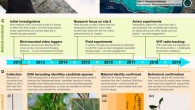
Using a taxonomic method called DNA barcoding, researchers have identified, from just a few recovered tool specimens, the plant species New Caledonian...
In a paper published this week in the journal PLoS ONE, an international team of researchers described an extraordinary collective defense used by eastern...
Neanderthals may have found precision grips (where objects are held between the tip of the finger and thumb) more challenging than power squeeze grips...
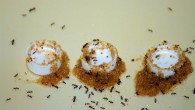
Black imported fire ants (Solenopsis richteri) have the remarkable ability to adapt its tool use: when provided with small containers of sugar water, they...
Indian Ocean bottlenose dolphins (Tursiops aduncus) are not only capable of learning new ways to catch prey, but they are also motivated to learn from...
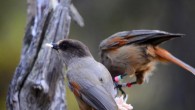
New research on two corvid species, Siberian jays (Perisoreus infaustus) and New Caledonian crows (Corvus moneduloides), shows that extended family life...
Neanderthals selected rib bones from specific animals to make the lissoirs (French for ‘smoothers’), which are bone tools that have been intentionally...
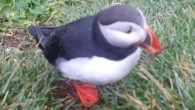
An international team of researchers from the University of Oxford and the South Iceland Nature Research Centre has observed two Atlantic puffins (Fratercula...
Scientists have uncovered the first evidence of tool use by the Visayan warty pig (Sus cebifrons), a critically endangered species native to the Philippines.
An...
New Caledonian crows (Corvus moneduloides) are well-known for their sophisticated tool use. According to a new study, these birds behave optimistically...
Naïve chimpanzees are able to spontaneously use tools in order to excavate underground food, according to a new study, published in the journal PLoS ONE....