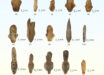
New experiments show that tar made from birch bark — long known as a tool adhesive — can inhibit harmful bacteria such as Staphylococcus aureus, suggesting Neanderthals may have used it to treat wounds and manage infection during the Ice Age.

Neanderthals probably used birch tar for multiple functions, including treating their wounds. Siemssen et al. confirm that birch tar possesses selective antibacterial properties, showing consistent inhibitory effects against Staphylococcus aureus.
Birch tar is commonly found at Neanderthal archaeological sites, and in some cases this tar is known to have been used as an adhesive to assemble tools.
Recently, some researchers have raised the question of whether Neanderthals had multiple uses for this substance.
For instance, Indigenous communities in northern Europe and Canada use birch tar to treat wounds, and there is growing evidence that Neanderthals also employed a variety of medical practices.
To investigate the medicinal potential of birch tar, Dr. Tjaark Siemssen from the University of Cologne and the University of Oxford and colleagues extracted tar from modern birch tree bark, specifically targeting species known from Neanderthal sites.
They used multiple extraction methods, including distillation of tar in a clay pit and condensation of tar against a stone surface, both of which would have been methods available to Neanderthals.
When exposed to different strains of bacteria, all of the tar samples were found to be effective at hindering the growth of Staphylococcus bacteria known to cause wound infections.
These experiments not only support the efficacy of Indigenous medicinal practices, but also reinforce the possibility that Neanderthals used birch tar to treat wounds.
The authors note that there are other potential uses of birch tar, such as insect repellent, as well as other plants to which Neanderthals had access.
Further exploration of the multiple potential uses of these natural ingredients will enable a more thorough understanding of Neanderthal culture.
“We found that the birch tar produced by Neanderthals and early humans had antibacterial properties,” the researchers said.
“This has important implications for how Neanderthals may have mitigated disease burden during the last Ice Age, and adds to a growing set of evidence on healthcare in these early human communities.”
“By bringing together research on indigenous pharmacology and experimental archaeology, we begin to understand the medicinal practices of our distant human ancestors and their closest cousins.”
“Additionally, this study of paleopharmacology can contribute to the rediscovery of antibiotic remedies whilst we face an ever more pressing antimicrobial resistance crisis.”
“The messiness of birch tar production deserves a special mention.”
“Every step of the production is a sensory experience in itself, and getting the tar off our hands after spending hours at the fire has been a challenge every time.”
The study was published online in the journal PLoS ONE.
_____
T. Siemssen et al. 2026. Antibacterial properties of experimentally produced birch tar and its medicinal affordances in the Pleistocene. PLoS One 21 (3): e0343618; doi: 10.1371/journal.pone.0343618