A team of researchers from the United States and Germany has identified fungal proteins that can freeze water at relatively warm subzero temperatures, raising the prospect of safer cloud seeding, improved climate models and new advances in food preservation and medicine.
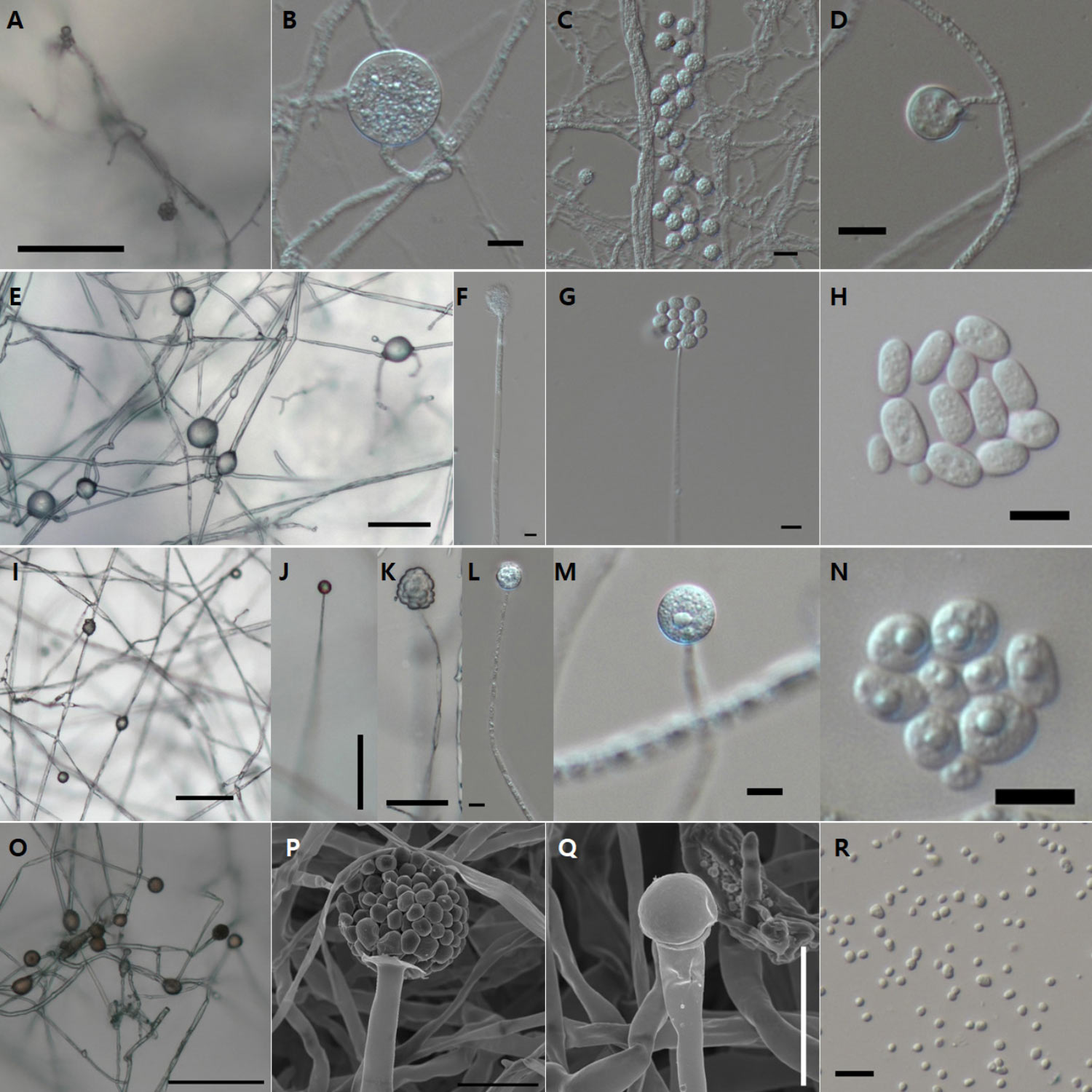
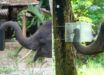
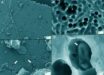
Mortierellomycetes and Umbelopsidomycetes fungi from freshwater ecosystems in Korea. Image credit: Goh et al., doi: 10.4489/kjm.20230018.
In a process called cloud seeding, particles that can trigger the water in the clouds to turn into ice crystals, called ice nucleators, are released into clouds.
The ice crystals then grow in size as more and more water molecules stick to them.
In a kind of snowball effect, the ice crystals grow and become heavier, fall toward the ground, melt as they pass through the atmosphere and become rain.
The traditional particle used for ice nucleating is silver iodide, which is highly toxic.
Virginia Tech’s Professor Boris Vinatzer and his colleagues believe the fungal protein molecule could provide a better alternative.
“If we learn how to cheaply produce enough of this fungal protein, then we could put that into clouds and make cloud seeding much safer,” Professor Vinatzer said.
The researchers also found evidence that the fungal gene encoding the ice nucleation protein was likely acquired by a fungal ancestor from a bacterial species through a process known as horizontal gene transfer, at least hundreds of thousands, if not millions, of years ago.
“It is known that fungi can acquire genes from bacteria, but it’s not something that is common,” Professor Vinatzer said.
“So I never expected that this fungal gene had a bacterial origin.”
Researchers have known that fungi are capable of ice nucleation since the early 1990s.
Only recently, however, have advances in DNA sequencing and computer science allowed them to sequence the genomes of the specific class of fungi, the Mortierellacae family, and discover the gene that encodes the ice nucleation protein.
While they still don’t know how fungi benefit from the acquired gene, they do know that the fungi have made modifications over the years to make it even better.
And that translates to making applications for human benefit better as well.
The ice nucleating proteins produced by the fungi differ from those of bacterial origin in that they are cell-free and water-soluble.
These differences make the fungal molecules more appealing in bioinspired freezing technologies and engineered weather modifications.
For example, in the preparation of frozen foods, the fungal molecule would be safer than the bacterial one because the fungus just secretes the ice nucleation molecule, but the whole bacterial cell would be needed in the bacterial ice nucleation.
“That’s a big advantage in food production because you have just this one well defined protein and you can get rid of everything else,” Professor Vinatzer said.
“There is the possibility to develop a safe, effective additive that helps in the preparation of frozen food.”
Another potential use for fungal ice nucleation is in cryopreservation of cells such as tissues, sperm, eggs, and embryos.
“Adding a fungal ice nucleator, which is a relatively small molecule, makes the water around the cell freeze much earlier before it gets very cold, to protect the delicate cell inside,” Professor Vinatzer said.
“You couldn’t do that with the bacteria because you would have to add entire bacterial cells.”
“Ice nucleation is also important for climate models. Climate models predict how much radiation is reflected by clouds into space and how much reaches Earth. Ice in the clouds allows more radiation to go through to the Earth.”
“Now that we know this fungal molecule, it will become easier to find out how much of these kinds of molecules are in clouds.”
“And in the long run, this research could contribute to developing better climate models.”
The findings appear in the journal Science Advances.
_____
Rosemary J. Eufemio et al. 2026. A previously unrecognized class of fungal ice-nucleating proteins with bacterial ancestry. Science Advances 12 (11); doi: 10.1126/sciadv.aed9652