Honeybees pack tens of thousands of nestmates into a small space, a setup that should invite disease. New research led by the University of Sydney suggests part of their protection is a map of antimicrobial chemistry laid out across the hive.

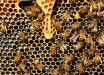
Fernandes et al. investigated how chemical defenses contribute to colony-level immunity using the European honeybee (Apis mellifera) as a model system. Image credit: PollyDot.
“Hives are not only homes for bees, but also act as their workplaces, restaurants and hospitals, and now we can add immune systems to the list,” said lead author Dr. Kenya Fernandes, a researcher at the University of Sydney.
“We already know honey, beeswax and propolis have antimicrobial properties independently. But what came as a surprise was how these materials were placed in the hive wasn’t random, but organized. The hive’s antimicrobial properties worked together to protect the eggs and larvae, as well as the fermented pollen the bees consume.”
In the study, the authors sampled 24 colonies of European honeybees (Apis mellifera) across five apiaries in Paterson, New South Wales, Australia.
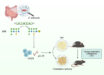
They tested honey, propolis, pollen, wax and the bees’ own secretions and fat tissue against seven microbes, and sequenced the microbes living in different parts of the hive.
Antimicrobial activity shifted steadily from the bees’ bodies out to the hive’s exposed materials, much as the microbial communities did.
The pattern was strongest against bacterial pathogens, including the one that causes American foulbrood, a devastating brood disease.
It was much weaker against fungi, which the researchers suggest the hive may partly tolerate, since many fungi in it are harmless or even useful.
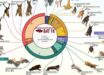
Hydrogen peroxide was linked to honey’s potency, flavonoids to propolis, and small polar compounds to pollen.
“As we travel closer to the hive center, the antimicrobial defenses became more targeted, with wax comb, stored pollen, and the bee’s own bodies helping to filter out harmful bacteria and fungi, whilst encouraging helpful species,” Dr. Fernandes said.
The biggest influence on a colony’s defenses was not disease but location. The apiary explained about a third of the variation in antimicrobial activity.
This suggests that monoculture farming and loss of floral diversity could weaken bees’ chemical defenses.
“Land clearing and intensive farming could be quietly eroding the bees’ natural defenses,” said Dr. Elizabeth Frost, technical specialist bees at the NSW Department of Primary Industries and Regional Development.
“This builds a strong case for protecting diverse flowering habitats that support healthy hives.”
“There are direct threats to bee populations such as the varroa mite, but many don’t realize the indirect threats: the shrinking of healthy ecosystems has a domino effect.”
“Landscapes with diverse plant species can increase the bees’ chances of being resilient to disease.”
The study was published October 19, 2026 in the journal ISME Communications.
_____
Kenya E. Fernandes et al. 2026. Spatially organized chemical defences shape microbial communities in honey bee colonies. ISME Communications 6 (1): ycag247; doi: 10.1093/ismeco/ycag247