Scientists at King’s College London have identified strong links between theobromine, a common plant compound that comes from cocoa, and measures of epigenetic aging, suggesting that theobromine is relevant to human aging.

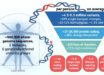
Saad et al. show that the reported beneficial links between theobromine intake on health and aging extend to the molecular epigenetic level in humans. Image credit: Sci.News.
“Coffee and cocoa are widely consumed foods, associated with reduced cardiovascular disease and mortality,” said lead author Dr. Ramy Saad and colleagues.
“They share several important alkaloids including theobromine, caffeine, theophylline, paraxanthine and 7-methylxanthine.”
“Theobromine and 7-methylxanthine, are partial metabolites of caffeine, though both are also found in much higher concentrations in cocoa as primary unprocessed metabolites.”
“Theobromine has previously been linked to multiple aspects of health and aging. For example, studies in model organisms have identified links between theobromine and extended lifespan.”
“Furthermore, multiple observational human cohort studies have reported clear links between theobromine intake and various aspects of improved health.”
“Despite this, the exact impacts of theobromine on health and aging are still not fully understood, and the molecular pathways that underlie these effects are largely unknown.”
In the study, the researchers compared levels of theobromine in people’s blood with blood-based markers of biological aging.
Across two European cohorts, which included 509 individuals from TwinsUK and 1,160 from KORA, they found that those who had higher levels of theobromine circulating in their blood had a biological age that was lower than their actual age.
“Our study finds links between a key component of dark chocolate and staying younger for longer,” said Professor Jordana Bell, senior author of the study.
“While we’re not saying that people should eat more dark chocolate, this research can help us understand how everyday foods may hold clues to healthier, longer lives.”
The scienists also tested whether other metabolites in cocoa and coffee showed a similar link.
However, they found that the effect seemed to be specific to theobromine.
They used two tests to assess the biological age of people in the study.
One looked at chemical changes in DNA to estimate how quickly someone is aging.
Another estimated the length of telomeres, the protective caps on the ends of your chromosomes. Shorter telomeres are associated with aging and age-related diseases.
“This is a very exciting finding, and the next important questions are what is behind this association and how can we explore the interactions between dietary metabolites and our epigenome further?” Dr. Saad said.
“This approach could lead us to important discoveries towards aging, and beyond, in common and rare diseases.”
“This study identifies another molecular mechanism through which naturally occurring compounds in cocoa may support health,” said Dr. Ricardo Costeira, co-author of the study.
“While more research is needed, the findings from this study highlight the value of population-level analyses in aging and genetics.”
The findings were published December 10 in the journal Aging.
_____
Ramy Saad et al. Theobromine is associated with slower epigenetic ageing. Aging, published online December 10, 2025; doi: 10.18632/aging.206344