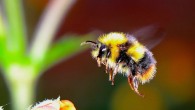
In a new study published in the journal Royal Society Open Science, buff-tailed bumblebees (Bombus terrestris) exposed to a brood-killing fungus shifted...
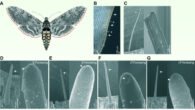
Scientists at the Max Planck Institute for Chemical Ecology have found that moth wings are equipped with odor-detecting receptors, suggesting the insects...
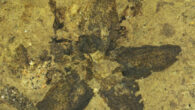
Paleontologists have screened 24-million-year-old fossil flowers and bees from the Late Oligocene of Enspel, Germany, and identified a new species of linden,...
Salpinganthium hispaniolanum grew in the forests of Hispaniola during the mid-Tertiary, between 20 and 30 million years ago.
Salpinganthium hispaniolanum....
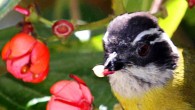
Plants in the Central and South American genus Axinaea have a unique and highly complex bird pollination system, according to a new study published in...
An expedition to the mountains of the NZ South Island has added two species of forget-me-nots to the flora of the island country.
Myosotis chaffeyorum...
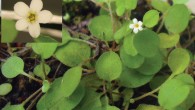
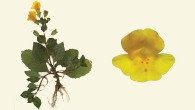
Biologist Dr Mario Vallejo-Marín from the University of Stirling has found a new species of monkey flower, created by the union of two foreign plant species,...