In a new study published in the journal Royal Society Open Science, buff-tailed bumblebees (Bombus terrestris) exposed to a brood-killing fungus shifted their foraging habits toward nectar laced with a natural antimicrobial compound, offering a rare glimpse of behavior consistent with self-medication in a social insect.
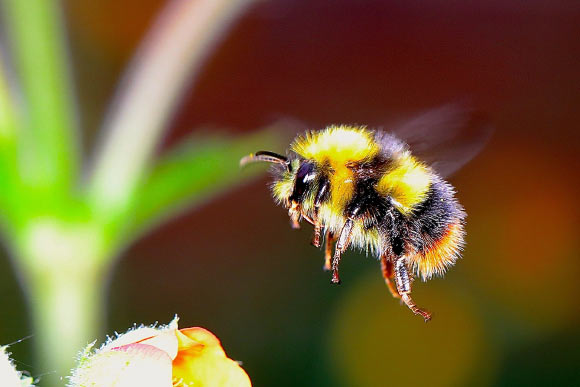
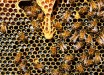
Debeuckelaere et al. used robotic flowers to test the hypothesis that bumblebees (Bombus terrestris) modify nectar choice after pathogen exposure, focusing on quercetin, a common nectar secondary compound with antimicrobial activity. Image credit: Josef Pichler.
“The field of zoopharmacognosy examines how animals use natural compounds for medicinal purposes, such as alleviating pain, fighting infections, or protecting against parasites,” said Dr. María Pozo from the University of Valladolid and her colleagues from KU Leuven in Belgium.
“A central behavior within this field is self-medication, which refers to the ability of an organism to consume organic compounds that halt or reduce a current infection or prevent one, despite such compounds being costly to healthy individuals.”
“This behavior represents a form of adaptive plasticity, whereby individuals modify their diet in response to pathogen pressure.”
“Because medicinal compounds are often toxic or nutritionally suboptimal, self-medication is expected to occur primarily when individuals are infected, whereas healthy individuals should avoid such compounds.”
“In this study, we investigate whether the social bee Bombus terrestris engages in self-medication behavior when exposed to pathogens.”
In the study, the authors used robotic flowers to track how bumblebee colonies chose between plain sugar nectar and nectar spiked with quercetin, a flavanol with documented anti-microbial activity against a broad range of Gram-positive and Gram-negative bacteria, as well as fungi and viruses.
Colonies were either kept healthy or exposed to one of two pathogens: the fungus Ascosphaera apis, which causes chalkbrood disease in bee larvae, or the bacterium Serratia marcescens, which infects adult bees’ guts.
Over five days of free foraging, colonies challenged with the fungus increased both their visits to the quercetin-laced flowers and the time spent feeding there as the experiment progressed.
Healthy colonies showed no such shift, and colonies exposed to the bacterium did not change their preferences either.
The researchers suggest this pattern may reflect the different ways the two pathogens affect a colony.
Because chalkbrood mainly harms bee larvae rather than the foraging adults themselves, the increased interest in quercetin among fungus-exposed colonies may represent social medication, in which worker bees gather compounds that benefit the brood rather than themselves.
Serratia marcescens, by contrast, primarily affects adult foragers directly, and any medicinal benefit from quercetin against it would likely be less direct, potentially explaining why no shift was observed.
“These results indicate that pathogen identity shapes behavioral plasticity in nectar foraging and demonstrate the value of robotic flowers for studying adaptive foraging responses to pathogens,” the scientists concluded.
_____
Kamiel Debeuckelaere et al. 2026. Hints of self-medication? Pathogen exposure-dependent foraging decisions of bumblebees. R. Soc. Open Sci 13 (8): rsos260777; doi: 10.1098/rsos.260777