Researchers at King’s College London have identified a surprising new therapeutic mechanism for a type of heart failure called heart failure with preserved ejection fraction (HFpEF), a condition that affects nearly half of all heart failure patients and has long resisted effective treatment. Their results show that urolithin A — a compound produced when gut bacteria break down substances found in pomegranates, walnuts, and berries — can improve heart function in mice with a condition designed to closely mimic human HFpEF.
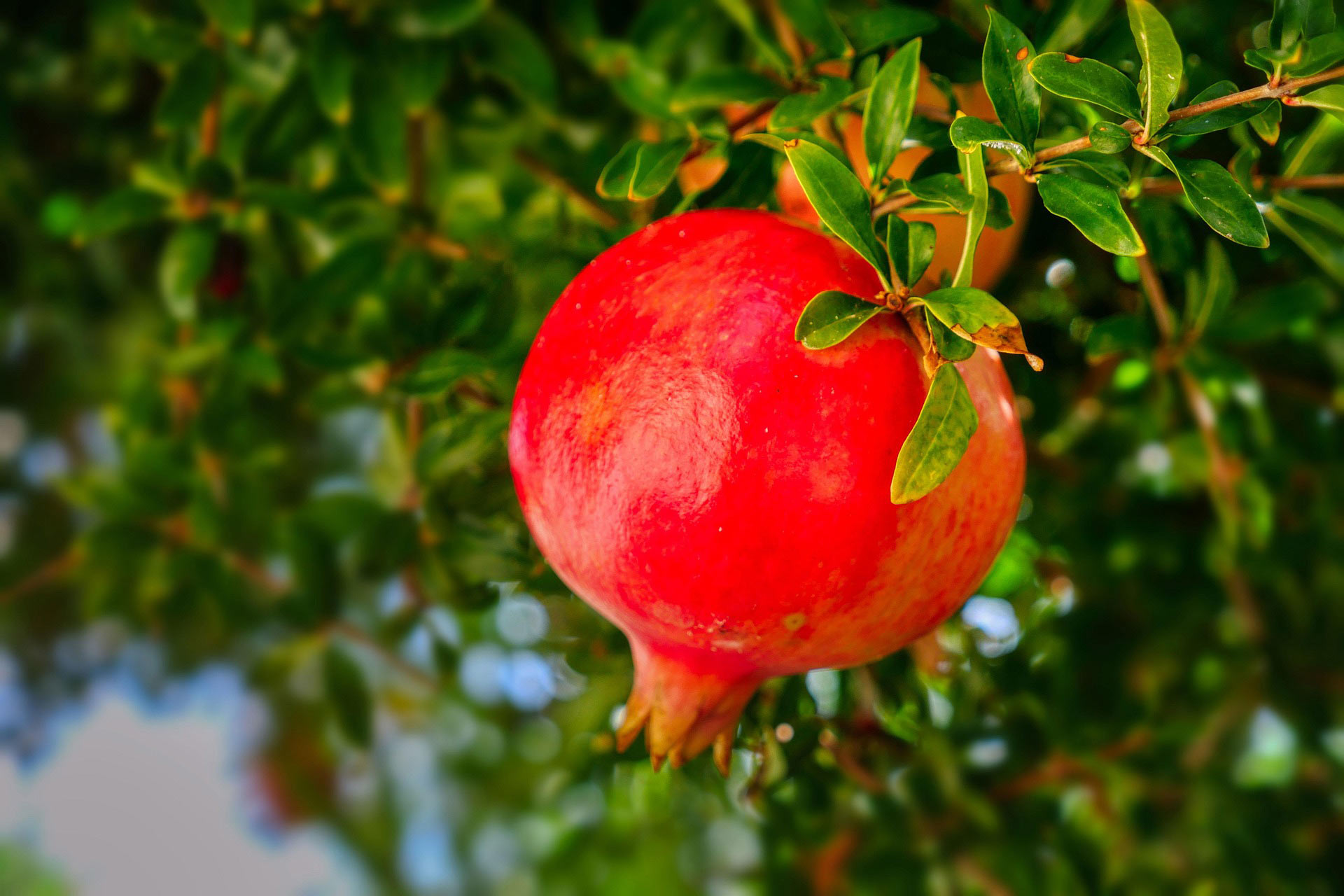
Urolithin A is a metabolite compound produced when gut bacteria break down ellagitannins and ellagic acid, which are found in foods like pomegranates, berries, and walnuts. Image credit: Albrecht Fietz.
HFpEF is marked by a stiffened heart that struggles to relax and fill with blood between beats, even though its pumping strength remains normal.
Unlike other forms of heart failure, it has proven notoriously difficult to treat: major clinical trials of drugs targeting nitric oxide signaling pathways have largely failed to improve patient outcomes.
“HFpEF accounts for nearly half of all heart failure cases and is associated with substantial morbidity and mortality,” said Dr. Joseph Burgoyne of King’s College London and colleagues.
“This prevalent condition is challenging to treat due to its complex pathophysiology, which is predominantly characterized by diastolic dysfunction.”
“This dysfunction impairs ventricular relaxation and filling, often exacerbated during physical exertion, highlighting a limited cardiovascular reserve capacity, particularly in older individuals.”
In a new study, Dr. Burgoyne and co-authors focused on a protein called PKGIα, which plays a central role in heart and blood vessel relaxation.
Previous work by the group had shown that a specific site on the protein, a cysteine molecule called Cys42, can activate the protein when chemically modified.
Testing a panel of natural plant compounds, the researchers found that urolithin A activated PKGIα through a previously unrecognized mechanism, directly modifying the Cys42 site without triggering the disulfide bonding seen with related compounds like quercetin.
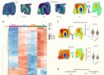
In mice with diet- and hormone-induced HFpEF, a week of urolithin A treatment improved measures of diastolic heart function, reduced heart enlargement and fibrosis, and increased the animals’ running activity.
These benefits disappeared in genetically modified mice lacking a functional Cys42 site, confirming the effect depended on this specific mechanism.
Urolithin A also improved contraction and relaxation speed in heart tissue grown from human stem cells, suggesting possible relevance to human patients.
“This type of heart failure remains one of the most challenging forms of heart disease to treat,” Dr. Burgoyne said.
“Our findings identify a completely new therapeutic target and show that urolithin A can activate this pathway to improve heart relaxation and reduce disease severity.”
“This raises the exciting possibility of developing new treatments that improve clinical outcomes and quality of life for people living with the condition.”
“While there isn’t enough evidence to suggest that people should eat pomegranates to treat heart failure, these findings raise the possibility that dietary approaches that enhance urolithin A production may help alleviate this condition.”
“HFpEF makes up roughly half of all heart failure cases in the UK, and can be debilitating,” said Professor James Leiper, director of research at the British Heart Foundation.
“This early-stage study in experimental models suggests that urolithin A may help to improve the heart tissue’s ability to relax and fill with blood between beats, reducing the harmful changes to the heart muscle seen in HFpEF.”
“While these findings are promising, the benefits have so far been seen in animals and engineered human tissue, so clinical trials involving people are needed to test if this approach is effective for patients.”
“In the meantime, a healthy, balanced diet remains one of the best ways to look after your heart.”
“Eating plenty of fruit and vegetables is linked to better heart health, but it’s important to remember that no single food can prevent or treat heart disease on its own.”
The study was published this week in the journal Science Advances.
_____
Jie Su et al. 2026. Targeting PKGIα Cys42 attenuates cardiac dysfunction in heart failure with preserved ejection fraction. Science Advances 12 (34); doi: 10.1126/sciadv.aec8088