Analyzing data from more than 268,000 people, researchers found that genes involved in thiamine (vitamin B1) metabolism play a key role in gut motility, opening new avenues for personalized treatments of constipation and irritable bowel syndrome (IBS).
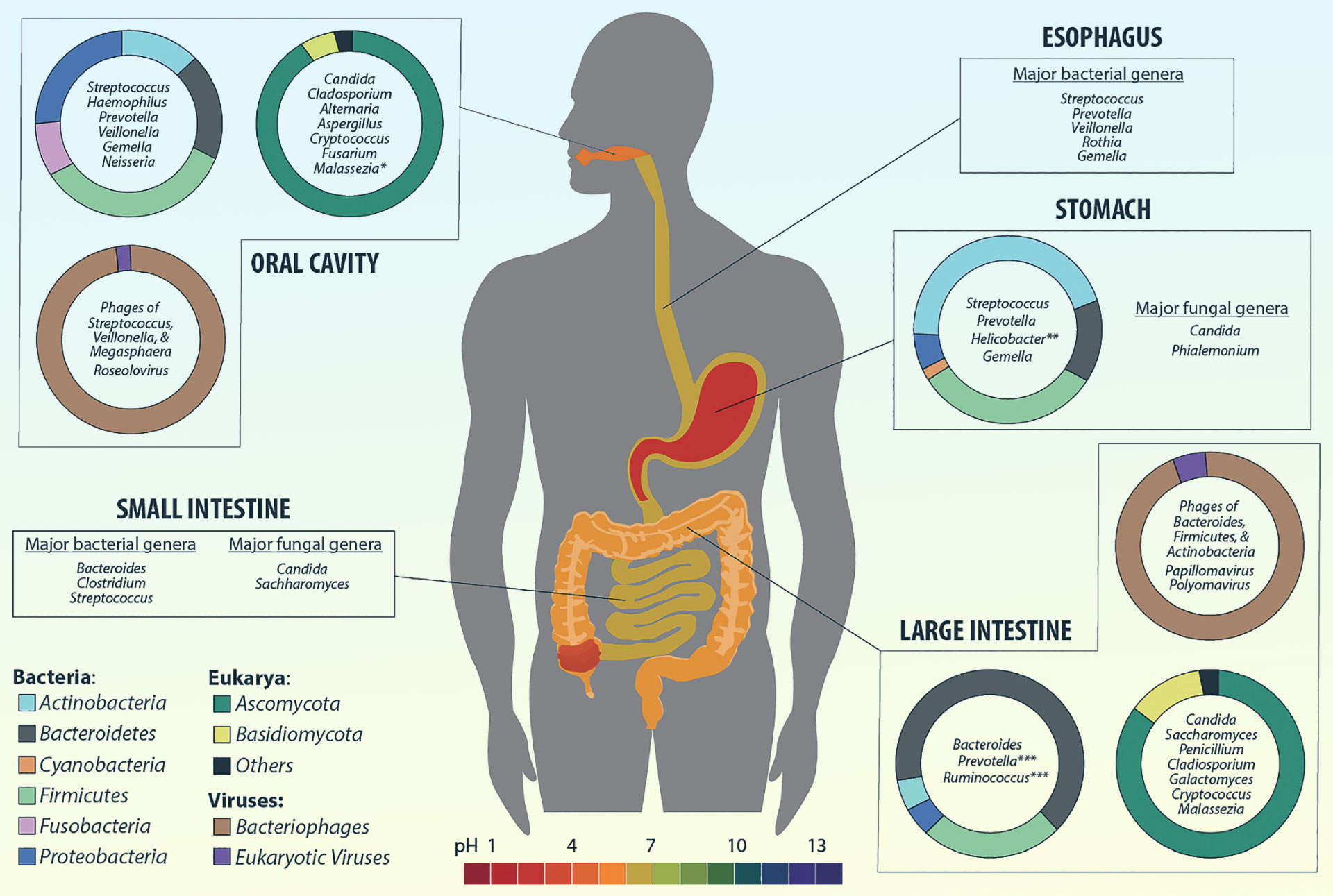
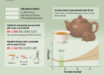
Díaz-Muñoz et al. identified therapeutically tractable mechanisms involved in the control of gut motility, including a previously unrecognized role for vitamin B1. Image credit: Hillman et al., doi: 10.1264/jsme2.ME17017 / CC BY 4.0.
Gastrointestinal motility underlies food digestion, nutrient absorption and waste elimination, making it essential for human health and well-being.
Its regulation depends on a multifactorial network of communication involving the gut-brain axis, the immune system and the gut microbiome, and is further influenced by external factors such as diet, physical activity and medications.
Alterations in the control of motility and peristalsis represent a key pathogenic mechanism in IBS and other disorders of gut-brain interaction, as well as in severe dysmotility conditions such as chronic idiopathic intestinal pseudo-obstruction.
In a new study, Professor Mauro D’Amato, a researcher at LUM University, CIC bioGUNE- BRTA and the Ikerbasque, and his colleagues used a large-scale genetics approach to search for common DNA differences associated with gut motility.
They studied questionnaire and genetic data from 268,606 people of European and East Asian ancestry and used computational analyses to pinpoint which genes and mechanisms are most likely involved.
They identified 21 regions of the human genome influencing bowel movement frequency, including 10 that had not been reported before.
Several of the genetic signals pointed to pathways and mechanism already known to affect gut movement, which was reassuring because it means the results align with biology that makes sense.
For example, the study highlighted bile-acid regulation (bile acids help digest fats and also act as signaling molecules in the gut) and nerve signaling relevant to intestinal muscle contractions (including acetylcholine-related signaling, which helps nerves communicate with muscle).
But the most striking result emerged when the researchers narrowed down their findings to two high-priority genes converging on vitamin B1 biology, specifically genes linked to how thiamine is transported and activated in the body (SLC35F3 and XPR1).
To explore whether this vitamin B1 signal shows up in real-world data, they then turned to additional dietary information from UK Biobank.
In 98,449 participants, they found that higher dietary thiamine intake was associated with more frequent bowel movements.
Importantly, the relationship between thiamine intake and bowel movement frequency differed depending on a person’s genetic makeup at the SLC35F3 and XPR1 genes (analyzed together as a combined genetic score).
In other words, the data suggest that inherited differences in thiamine handling may influence how vitamin B1 intake relates to bowel habits in the general population.
“We used genetics to build a roadmap of biological pathways that set the gut’s pace,” said Dr. Cristian Diaz-Muñoz, a researcher at CIC bioGUNE- BRTA.
“What stood out was how strongly the data pointed to vitamin B1 metabolism, alongside established mechanisms like bile acids and nerve signaling.”
The study also supports a meaningful biological overlap between bowel movement frequency and IBS, a common condition affecting millions worldwide.
“Gut motility problems sit at the heart of IBS, constipation and other common gut-motility disorders, but the underlying biology is very hard to pin down,” Professor D’Amato said.
“These genetic results highlight specific pathways, especially vitamin B1, as testable leads for the next stage of research, including lab experiments and carefully designed clinical studies.”
The study was published January 20, 2026 in the journal Gut.
_____
C. Díaz-Muñoz et al. Genetic dissection of stool frequency implicates vitamin B1 metabolism and other actionable pathways in the modulation of gut motility. Gut, published online January 20, 2026; doi: 10.1136/gutjnl-2025-337059