In a large Scandinavian study, children who ate more fruit and fish had a lower risk of Crohn’s disease by young adulthood, though fruit was linked to more ulcerative colitis; teens who ate the most salty snacks showed a possible, borderline increase in inflammatory bowel disease risk.
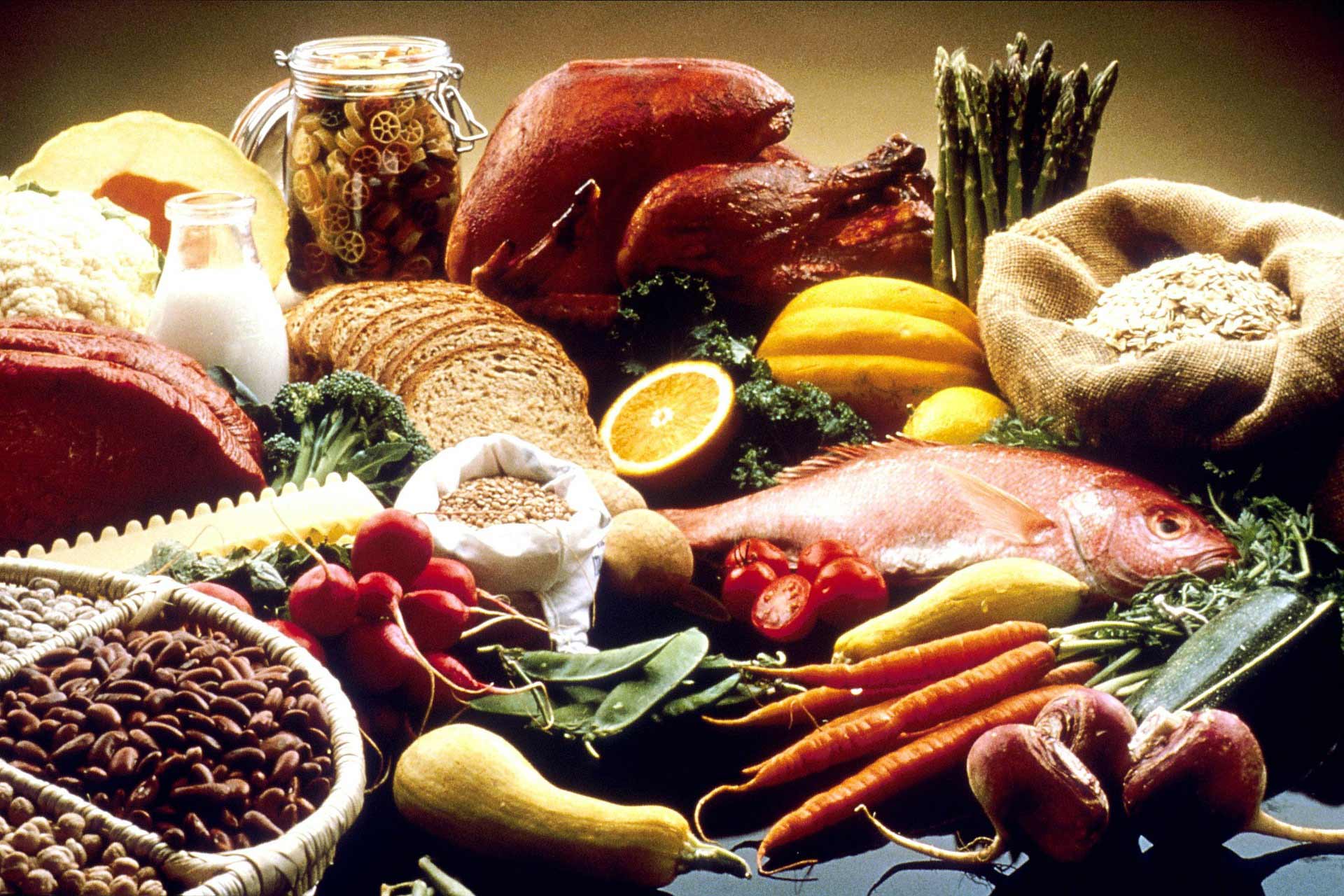
Guo et al. provide the first prospective evidence that high fruit intake in childhood and adolescence is associated with a reduced risk of Crohn’s disease; conversely, high versus low fruit intake in childhood was associated with an increased risk of ulcerative colitis; additionally, the authors observed that a high fish intake in childhood was associated with a reduced risk of Crohn’s disease, while a high intake of salty snacks in adolescence was associated with a higher inflammatory bowel disease risk. Image credit: FotoshopTofs.
“The accelerating global incidence of inflammatory bowel disease closely mirrors the adoption of Westernized lifestyles, characterized by distinct nutritional shifts that potentially modulate the early-life gut microbiome and immune system,” said lead author Dr. Annie Guo from the University of Gothenburg’s Institute of Medicine and her colleagues.
“These dietary patterns usually include intake of sugar-sweetened beverages and red meats, alongside a low consumption of fruits, vegetables and fish.”
“Prospective data in adults suggest that diets rich in fruits and vegetables are associated with a reduced risk of Crohn’s disease, whereas high sugar intake and low vegetable consumption are associated with an increased risk of ulcerative colitis.”
“Emerging evidence suggests similar associations for early-life diet; high intake of fish and vegetables by age one has been linked to a reduced risk of subsequent inflammatory bowel disease, whereas sugar-sweetened beverages appear to increase susceptibility.”
“However, a critical evidence gap remains regarding the food intake during later stages of childhood and adolescence.”
In the research, the authors pooled data from three long-running birth studies in Norway, Denmark and Sweden, following nearly 112,000 children over more than 1.5 million person-years.
By 2024, 653 of them had been diagnosed with inflammatory bowel disease, a group of chronic conditions that includes Crohn’s disease and ulcerative colitis.
Parents reported what their children ate at ages 7 to 8, and the children or their parents reported again between ages 11 and 15.
Children in the highest third for fruit intake had a 34% lower risk of Crohn’s disease than those in the lowest third. The pattern held in adolescence, when high fruit eaters had a 43% lower risk.
High fish consumption at age 7 to 8 was linked to a 35% lower risk of Crohn’s disease, though fish intake in adolescence showed no association.
High fruit intake in childhood was associated with a 54% higher risk of ulcerative colitis
The authors cautioned that this could be a chance finding, given the small number of cases and the many comparisons tested. No such link appeared for fruit eaten in adolescence.
Teenagers who ate the most salty snacks, such as potato chips, had a higher risk of inflammatory bowel disease overall.
Vegetables, dairy, meat, sugary drinks and sweet snacks showed no clear associations.
“Fruits are thought to exert favorable effects on the gut microbiome by promoting microbial diversity and increasing the production of short-chain fatty acids, which have been proposed to have anti-inflammatory effects,” the researchers said.
“The inverse association between higher fruit intake and Crohn’s disease risk may therefore be partly explained by its high dietary fiber content.”
“People with this condition seem to be more vulnerable to an imbalance in the gut microbiome than those with ulcerative colitis: dietary fiber is known to promote a more diverse gut microbiome.”
“But not all dietary fiber is equal, and further research is needed to determine which types are most beneficial.”
“Polyunsaturated fatty acids play a central role in regulating inflammatory pathways, and the long-chain omega-3 fatty acids abundant in fatty fish may therefore contribute to this,” they added.
“If our findings are confirmed in other cohorts and by other study designs, promoting healthy dietary habits could be a potential strategy for inflammatory bowel disease prevention.”
The study appears this week in the journal Gut.
_____
A. Guo et al. Food group intake during childhood and adolescence and risk of IBD: a pooled study of three Scandinavian birth cohorts. Gut, published online November 23, 2026; doi: 10.1136/gutjnl-2026-339600