Biology News

Aug 25, 2015 by News Staff

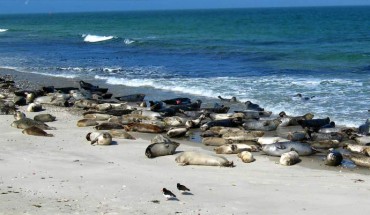
Researchers have discovered a previously unknown hepatovirus in harbor seals (Phoca vitulina) that is the closest known relative of the human hepatitis A virus, according to a new study published today online in the journal mBio. Harbor seal infected liver tissue. Top: liver section from animal, stained with hematoxylin; the image includes bile duct (A), hepatic vein (B), and hepatic artery (C); no inflammation is observed in the infected tissue....
Aug 24, 2015 by News Staff

A new study published in the journal Diversity and Distributions reveals what the world map of mammals would look like if Homo sapiens had never existed. The...

Aug 21, 2015 by News Staff

According to a new paper published online in the journal Oryx, there have been no signs of the wild Sumatran rhinoceros (Dicerorhinus sumatrensis) in Malaysia...

Aug 20, 2015 by News Staff

A new study, led by Dr Gabrielle Davidson at the University of Cambridge, shows that wild Eurasian jackdaws (Corvus monedula) recognize individual human...

Aug 20, 2015 by News Staff

Spiders of the genus Selenops (Araneae: Selenopidae) have a unique ability to control their gliding fall, as if they were skydivers, according to a team...

Aug 19, 2015 by News Staff

Since the 1830s, ornithologists have assumed that hummingbirds drink by capillary action (wicking), the passive process of a fluid rising into a narrow...

Aug 15, 2015 by News Staff

A team of scientists, directed by Dr Anandasankar Ray from the University of California – Riverside, has found that ants communicate using hydrocarbon...

Aug 15, 2015 by News Staff

ROV (remotely operated vehicle) operators from Oceaneering International, a provider of oil exploration equipment, have captured fascinating footage of...

Aug 13, 2015 by News Staff

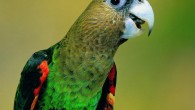
The Cape parrot (Poicephalus robustus) should be elevated to the species level, says a team of scientists at the University of KwaZulu-Natal in South Africa. This...

Aug 10, 2015 by News Staff

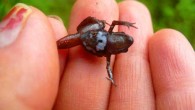
A new fleshbelly frog species has been discovered by an international team of scientists from Peru and the United States. Noblella madreselva shows a large...

Aug 10, 2015 by News Staff

According to a study of 214 species of terrestrial animals in the journal Science Advances, an animal’s ecological niche is a strong predictor of pupil...

Aug 6, 2015 by News Staff

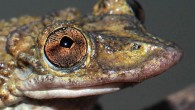
A team of scientists has made a surprising discovery about two previously known species of tree frogs from Brazil: they are actually venomous. The Greening’s...

Aug 6, 2015 by News Staff

The larvae of the parasitic wasp Reclinervellus nielseni turn their host spiders Cyclosa argenteoalba into drugged navvys, to modify the web structure...

Aug 6, 2015 by News Staff

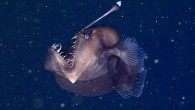
A new species of the deep-sea anglerfish genus Lasiognathus has been described from the deep waters of the northern Gulf of Mexico. Lasiognathus dinema,...

Aug 5, 2015 by News Staff

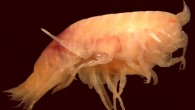
Marine biologists from the National Oceanography Centre in Southampton, UK, have described two new species of tiny marine crustaceans called amphipods...

Aug 5, 2015 by News Staff

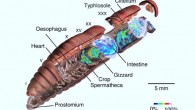
An international team of researchers has identified molecules in the earthworm gut that enable digestion of polyphenol-rich plant material, such as fallen...

Aug 4, 2015 by News Staff

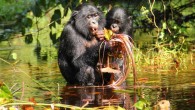
A team of scientists has found that wild bonobos (Pan paniscus), our closest living primate relatives, communicate in a similar manner to human babies. Wild...

Aug 3, 2015 by News Staff

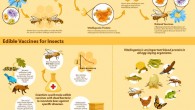
An international group of researchers – led by Dr Dalial Freitak from the University of Helsinki, Finland – has found that a bee blood protein...

Jul 31, 2015 by News Staff

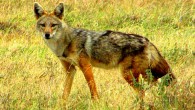
African and Eurasian golden jackals are genetically distinct lineages, according to a research team led by Dr Klaus-Peter Koepfli from the Smithsonian...

Jul 30, 2015 by News Staff

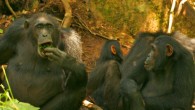
Wild chimpanzees of the Sonso community in the Budongo forest, Uganda, are increasingly eating clay to supplement the minerals in their diet, says a team...