Biology News

Jun 22, 2017 by Natali Anderson

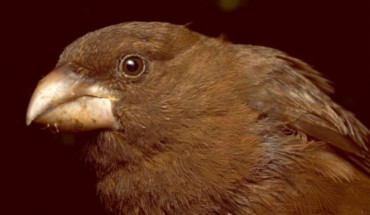
A critically endangered bird species called the São Tomé grosbeak is the world’s largest canary, 50% heavier than the next largest species, according to a new study published in the journal Ibis. The São Tomé grosbeak (Crithagra concolor). Image credit: Alexandre Vaz / Melo et al, doi: 10.1111/ibi.12466. The São Tomé grosbeak, endemic to the island of São Tomé in the West African Gulf of Guinea, is one of the least known birds in the world. This...

Jun 20, 2017 by News Staff

A team of herpetologists, led by Dr. Eli Greenbaum, associate professor of biological sciences at the University of Texas at El Paso, has discovered three...

Jun 14, 2017 by Enrico de Lazaro

A new species of cottontail rabbit (genus Sylvilagus) has been described from the lowlands of western Suriname by Portland State University Professor Luis...

Jun 13, 2017 by News Staff

In 1859, Charles Darwin included a novel tree of life in his book ‘On the Origin of Species.’ Now, a Rutgers University-led research team wants to...

Jun 7, 2017 by News Staff

Scientists reporting in the Journal of Mammalogy on May 30 have identified a new species of flying squirrel living in the Pacific Coast region of North...

Jun 1, 2017 by News Staff

Chimpanzees share our human ability to amass knowledge, a new study led by a University of St Andrews researcher has found. Chimpanzees share the human...

May 29, 2017 by Natali Anderson

Herpetologists are claiming they have discovered a new species of frog living in the Amazonian lowlands of Ecuador. The Yaku glassfrog (Hyalinobatrachium...

May 28, 2017 by Enrico de Lazaro

An international group of researchers from UK, France, Hungary and Sweden has provided new insights into the origins of the Archaea, the group of simple...

May 23, 2017 by News Staff

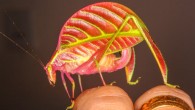
An international team of taxonomists led by experts at the SUNY College of Environmental Science and Forestry (ESF) selected the top 10 from among the...

May 22, 2017 by News Staff

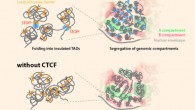
After decades of research aiming to understand how DNA is organized in our cells, a team of researchers from the Gladstone Institutes, the Massachusetts...

May 18, 2017 by News Staff

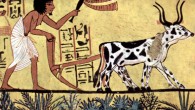
New research from the University of Sheffield, UK, has shed light on how hunter-gatherers adopted agriculture and how crops were domesticated to depend...

May 13, 2017 by Enrico de Lazaro

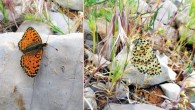
A new species of the butterfly genus Melitaea has been discovered in northern Israel, according to a paper published in the journal Comparative Cytogenetics. The...

May 12, 2017 by Natali Anderson

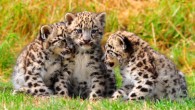
There are three different subspecies of the snow leopard (Panthera uncia), the world’s most elusive large big cat, according to a new study published...

May 11, 2017 by News Staff

According to a new study published today in the journal Cell, the enterococci — gram-positive aerobic bacteria and a leading cause of hospital-acquired...

May 9, 2017 by News Staff

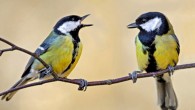
Male great tits (Parus major) choose neighbors with similar personalities to their own, according to new research from the University of Oxford, UK. Johnson...

May 8, 2017 by News Staff

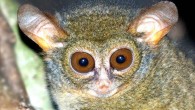
Two new tarsier species have been discovered in the forests of the northern peninsula of Sulawesi, Indonesia. The Gursky’s spectral tarsier (Tarsius...

May 3, 2017 by News Staff

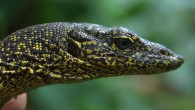
An international team of researchers has found and re-described a species of monitor lizard, Varanus douarrha, from the island of New Ireland in the Bismarck...

May 2, 2017 by News Staff

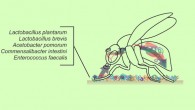
In a study published recently in the journal PLOS Biology, neuroscientists identified three gut bacteria species — Acetobacter pomorum, Lactobacillus...

May 1, 2017 by News Staff

Genetic material from 161 modern breeds helped a team of researchers at the National Human Genome Research Institute (NHGRI) of the National Institutes...

May 1, 2017 by News Staff

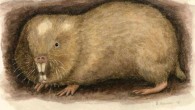
Scientists working in Tanzania have discovered and named two new species of the mole-rat genus Fukomys. The research was published in the journal PeerJ. The...