In a mouse study conducted by scientists at the Dasman Diabetes Institute in Kuwait, rodents fed a sucrose-free diet developed insulin resistance, gut microbial imbalances and signs of fatty liver disease despite maintaining similar body weight.

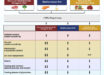
Rasheed Ahmad & Fatemah Bahman revealed that a sucrose-free low-fat diet notably disrupted gut microbial diversity and composition, leading to a depletion of short-chain fatty acid-producing commensal bacteria — such as Lactobacillus murinus and Lachnospiraceae — and an enrichment of pro-inflammatory or stress-adapted species, including Helicobacter ganmani, Odoribacter splanchnicus, and Alistipes spp. Image credit: Lourdes Alvarez.
“Completely removing sucrose from a low-fat diet may unexpectedly disrupt gut health and promote inflammation and metabolic dysfunction, highlighting that balanced nutrition is more important than simply eliminating sugar,” said Dr. Rasheed Ahmad, lead author of the study.
Dr. Ahmad and his colleague, Dr. Fatemah Bahman, investigated the effects of a sucrose-free low-fat diet compared to a sucrose-containing low-fat control diet in two groups of mice for 16 weeks.
They evaluated glucose tolerance, insulin sensitivity, circulating metabolic hormones, the gut microbiome and inflammation in the colon and liver.
Mice fed the sucrose-free diet developed impaired glucose control, insulin resistance, gut microbial imbalance, intestinal inflammation and fatty liver changes, despite having no significant differences in body weight compared with control mice.
“The findings suggest that complete removal of sucrose from a low-fat diet may negatively affect gut microbiota and metabolic health,” Dr. Ahmad said.
“The study highlights the importance of maintaining balanced dietary carbohydrates to support gut and immune homeostasis.”
Until now, the consequences of restrictive diets that eliminate sugar from a low-fat diet were unknown.
“This research may influence future dietary recommendations by emphasizing the importance of maintaining a healthy gut microbiome rather than focusing only on sugar restriction,” Dr. Ahmad said.
“In the long term, these findings could help improve strategies for preventing and managing metabolic disorders, fatty liver disease and chronic inflammatory conditions.”
The authors presented their results on June 13 at ENDO 2026, the Endocrine Society’s annual meeting in Chicago, Illinois.
_____
Rasheed Ahmad & Fatemah Bahman. Sucrose-Free Low-Fat Diet Induces Metabolic Dysfunction through Gut Dysbiosis and Colonic Inflammation in Mice. ENDO 2026, abstract # ORF07-04