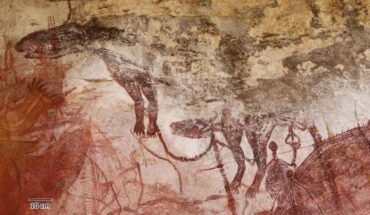
Both the Tasmanian tiger (Thylacinus cynocephalus) and the Tasmanian devil (Sarcophilus harrisii) are believed to have become extinct on the Australian mainland about 3,000 years ago. However, until now there were only 23 known rock art depictions of the Tasmanian devil and about 150 Tasmanian tiger paintings and petroglyphs, mostly at rock art sites in northern Australia. Scientists have now uncovered 14 previously undocumented images of the Tasmanian...