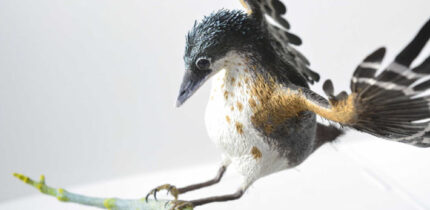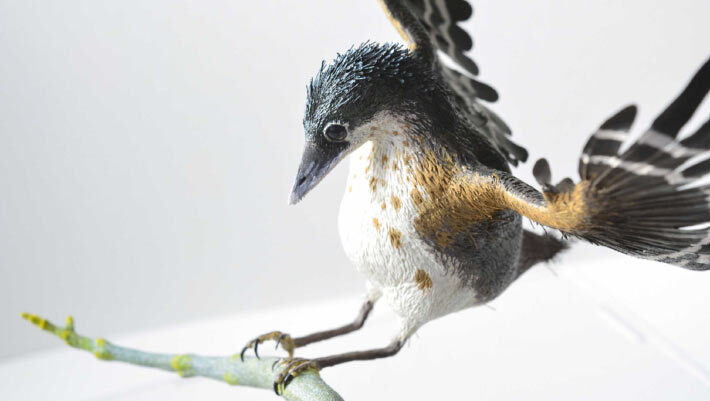
 Paleontologists Reconstruct Cretaceous Bird in Remarkable Detail
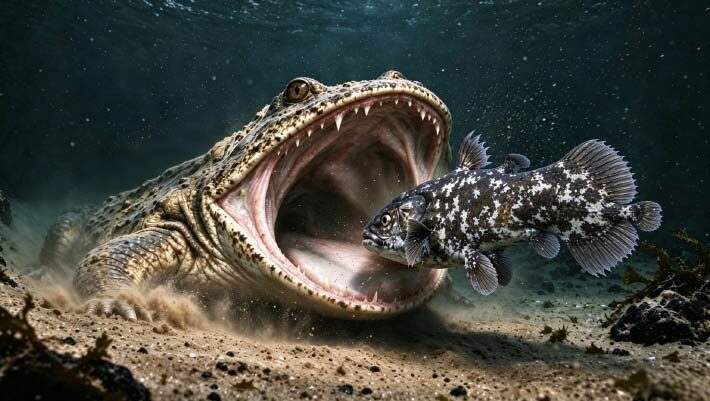
 Armored Amphibian from Triassic Period is First Known to Have Lived Entirely in the Sea
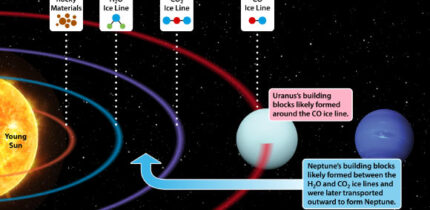
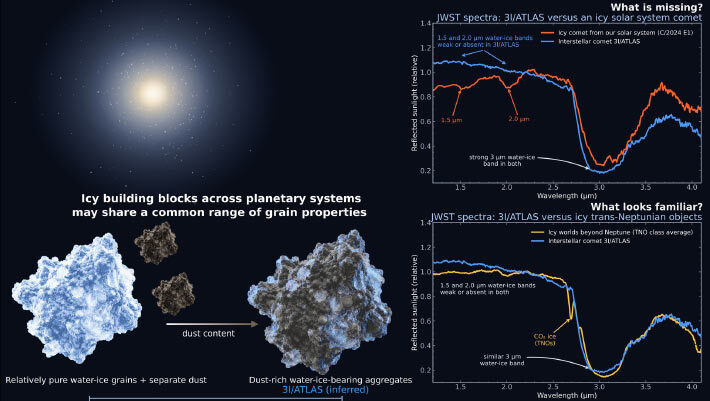
 Webb Finds Dust-Rich Water Ice in Interstellar Comet 3I/ATLAS
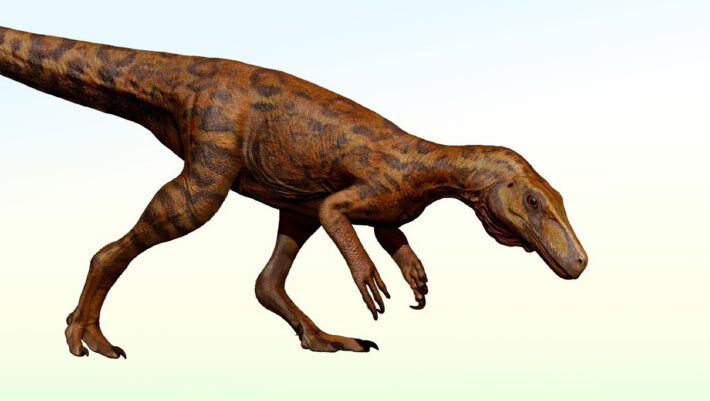
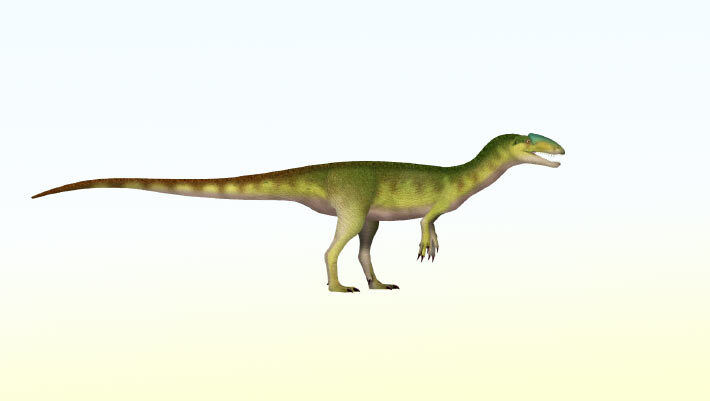
 Early Predatory Dinosaurs Survived Shift in Their Ecosystem, Fossil Fragment Suggests
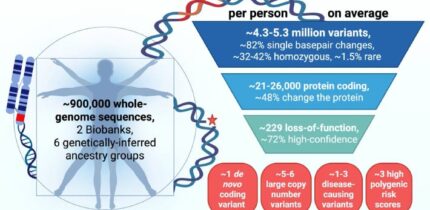
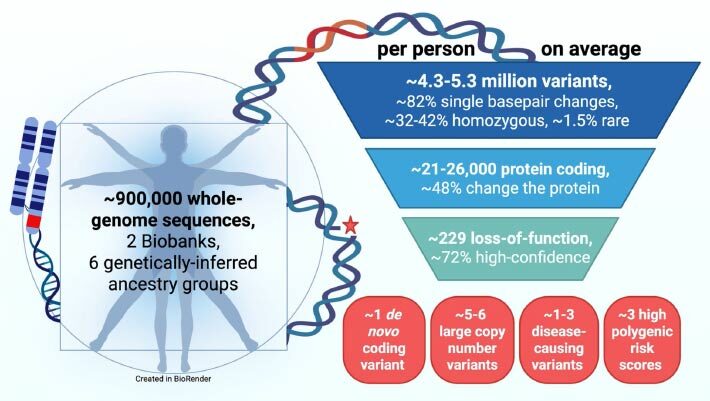
 Average Human Genome Carries Millions of Variants, New Research Shows
 Single Vertebra Hints at Oldest Known Iberian Dinosaur
Webb Finds Dust-Rich Water Ice in Interstellar Comet 3I/ATLAS
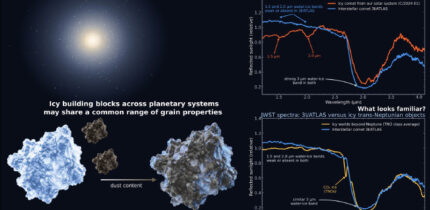
Astronomers using the NASA/ESA/CSA James Webb Space Telescope have found that the water ice in the interstellar comet 3I/ATLAS is mixed with dark, rocky material in tiny grains. The grains’ spectral characteristics differ from those of ice grains in solar system comets but resemble the spectra of some icy worlds beyond Neptune. Protopapa et al. used Webb to compare the interstellar comet 3I/ATLAS...